
Contents
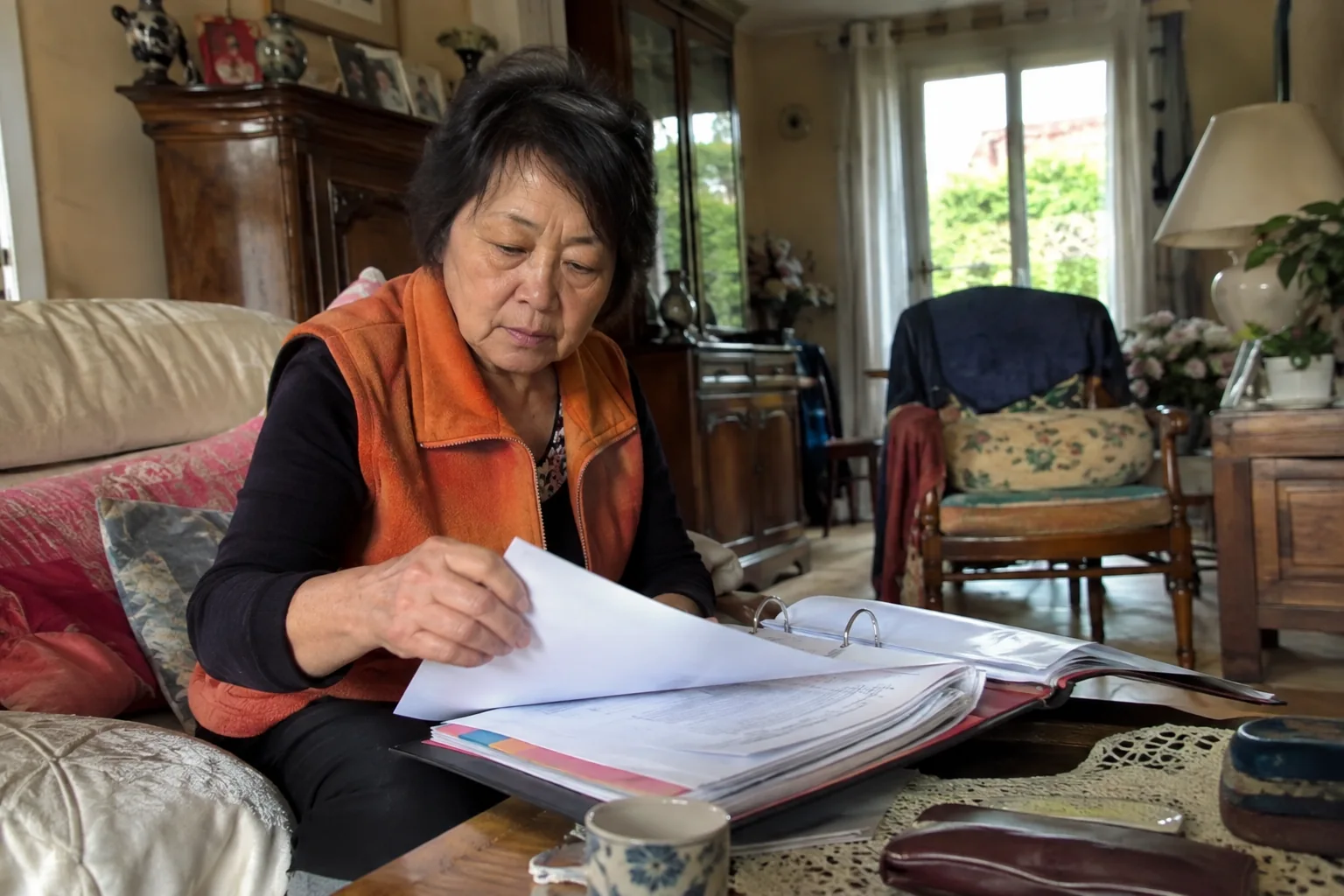
You come across a folder, a journal, or a box of supplies. You still like the project, but you can’t remember exactly where you left off. Sometimes an unpleasant thought comes with that uncertainty: “If I’d kept going, I’d already be done.” It pulls you back toward the time that’s passed instead of the information you need now.
Picking up a project starts with finding out what its actual state is. You don’t have to recreate the original plan or make up for every week you didn’t work on it. You can keep what’s already there, understand what interrupted the work, and choose a current version of what comes next. That makes picking it up a decision you’re making now, not a debt you owe to an earlier version of yourself.
Check that you still want to do this project
Before opening all the files, ask yourself what draws you to the project today. Is it the activity itself, the expected outcome, or the desire not to leave something unfinished? More than one answer can be true, but each points to a different decision. You may like the idea of having finished without yet wanting to spend time making it happen.
Describe the current benefit in one concrete sentence. “Getting back to a hands-on activity on the weekend” points you in a direction. “Proving that I always finish what I start” sounds more like a personal rule than a specific need. You can examine that rule without automatically giving it your next month.
If you’ve lost interest, you can close out the project, keep the useful parts, and let the people involved know if you’d made commitments. If you’re still interested but your vision has changed, write down the new scope. The project you pick up may be smaller, different, or intended for another use than you originally imagined.
Take stock without reorganizing everything
Gather the existing materials in an easy-to-find place, then look for the latest usable versions. Don’t start by renaming every file or reorganizing everything. You could turn the inventory into a separate project before you’ve even figured out what’s missing.
Sort the items into three simple categories: ready to use, needs checking, and needs redoing. A draft can be imperfect but still usable. Older information may need to be checked. Damaged materials may need to be replaced or handled another way. These categories help you distinguish what you already have from what still needs to be done.
Then write a sentence describing the current state: “the plan is ready, two parts are underway, and the examples need updating.” This wording may already make it feel less like you’re starting from scratch. It doesn’t minimize the work ahead; it makes what’s available visible and helps you avoid repeating steps simply because you’d forgotten them.

Understand the interruption clearly enough
Ask yourself what interrupted the project last time. A change in your schedule, unclear instructions, missing information, or a step that was too big each call for a different response. Try to pinpoint when the practice stopped rather than explaining the whole period as a lack of motivation.
You can also identify several factors. The project was interesting, but the location was too far away and the time slot was too late. This combination shows what you’d need to change for a realistic restart. If the conditions stay the same, you can choose a smaller trial instead of immediately promising yourself a new routine. Before reopening the whole project, you can sort drafts into ones to resume, keep in reserve, or archive.
Don’t turn the explanation into a trial. Some interruptions were necessary or reasonable. Others may teach you something about how you prepare for an activity. Either way, the useful information is about your next attempt: what obstacle can you address, work around, or accept today?
Plan your restart session
Fill in these prompts to prepare for your next attempt. Nothing is sent or saved.
Your prompt will appear here after you make your choices.
Choose a session to reconnect before a major restart
Plan an initial session aimed at reconnecting with the project. You can reread a few pages, make a sample, test the materials, or repeat a short step. This time doesn’t need to produce a finished result. Its main purpose is to show you what you can still do and what needs updating.
Set a clear time limit for this session. For example, spend twenty minutes rereading the latest draft and writing down three questions. Avoid turning the restart into a marathon meant to make up for the time away. You might get a lot of work done in one day, but learn little about how much space the project can realistically take up afterward.
After the trial, note what came back easily and what has changed. You may find that some parts are easier than you remember, or that an old method no longer works for you. Build your restart from these observations, not just from the plan you left behind.
 Read alsoSelf-sabotage: understanding why you hold yourself back and how to move past it

Redefine the next version you can complete
An old project can sometimes carry an ambition that has grown too big. Look for a version that still feels interesting and is achievable under your current circumstances: a short text instead of a whole series, a prototype instead of a complete product, a trial session instead of an annual commitment.
Reducing the scope doesn’t mean giving up on the larger project. You’re choosing a step that lets you test interest and feasibility. Describe what will be included and what can wait until later. This boundary keeps every new idea from immediately expanding the work again.
To rediscover the direction that speaks to you, the scripting can serve as a writing prompt. Focus on describing an ordinary day when this practice has found its place, rather than a scene of ultimate success. You can then compare this vision with your schedule and choose a more concrete commitment.

Prepare for the next interruption now
A solid restart can account for the fact that life will change again. At the end of each session, leave yourself a handoff note: where you are, which file or materials to use, and what to do next. This small reminder makes it easier to pick things up after two days or several weeks.
You can also define a maintenance version for times when you’re short on time: check a detail, reread a page, or prepare for the next full session. You don’t have to do this if the project needs a complete pause. It simply offers an option when you want to stay connected without reopening the whole project.
Miraya offers a “My Small Steps” journal to connect intention, action, and reflection. You can use it to keep track of your restart and listen to a personalized audio session to reconnect with what makes you want to continue. For a freer exploration, the journaling prompts can help you distinguish what you want to keep from what you’d like to change.
To get started today, find one element of the project and describe its current state in three lines. This small check-in is already a real restart. Then you can decide what to do next based on current information, instead of relying only on the feeling that you’re behind and need to catch up.
Frequently asked questions
Do I have to pick up exactly where I left off?
Not always. Start by checking the project’s status and identifying any outdated information. You can revisit an earlier step to regain context without automatically redoing all the work that’s still useful. If the interruption was recent, start with pick things up after an unexpected event without trying to catch up on everything. If you interrupt your work, prepare a pause note so you can pick up where you left off later.
How can I avoid giving up again?
You can’t guarantee that no interruptions will come up. But you can reduce the scope, address a known obstacle, and leave notes for when you return. The goal is to make pauses less costly and decisions clearer.