
Guided visualization: turning a dream into a concrete intention
Imagining isn’t always enough: connecting your vision to an obstacle and a small step makes it much more concrete.
The Miraya Journal
Creative visualization, vision board, evening scene: guided exercises to give concrete shape to what you want to experience.
10 articles in this topic
Where to start
Visualization means imagining a scene in enough detail to feel it. Psychology shows that this mental imagery helps most when it includes the journey, not just the outcome: the steps, likely obstacles, and first action.
Start with creative visualization, then connect it to a goal through guided visualization. A vision board then keeps those images in view every day.
Visualization pairs well with writing: see the scripting and the Journaling & gratitude. It’s also at the heart of law of assumption. To connect this answer to a wish and its main obstacle, discover the four steps of the WOOP method. To complement a scene you want with practical preparation, try a personal premortem focused on plausible obstacles.
Imagining isn’t always enough: connecting your vision to an obstacle and a small step makes it much more concrete.
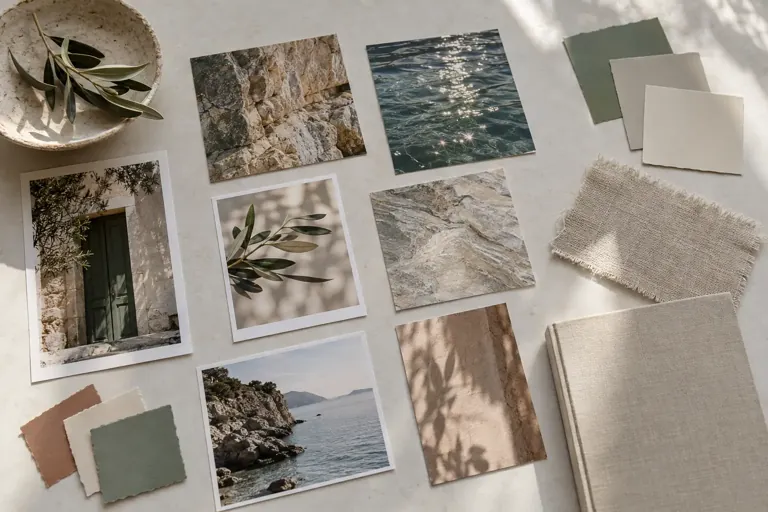
A vision board isn’t a wish list to hang on the wall: when thoughtfully designed, it becomes a daily reminder of what matters.
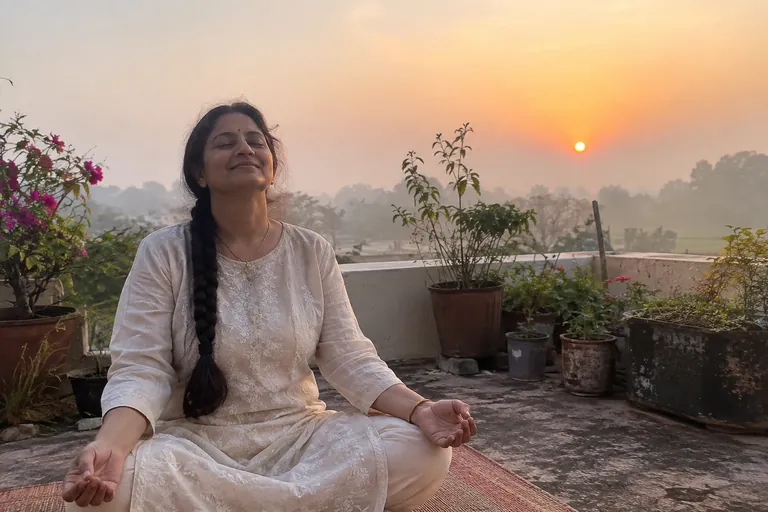
In the evening, just before you fall asleep, your mind is more relaxed and receptive. It’s an ideal time to visualize, as long as you keep it gentle.
Before a small exhibition or a family collection, a few reservations can help you prepare. Explore an example of a personal premortem: one specific step, assumptions to check and a proportionate precaution, followed by a boundary to bring the exercise to a close.
Imagine precisely what you want to experience, using all your senses: creative visualization is a powerful tool when used well.
A wish, a benefit, an obstacle, and a response: explore WOOP’s four steps using a travel journal. The examples and tools help you prepare for a realistic attempt while distinguishing personal reactions from constraints you can’t control.
Don’t see mental images? Prepare your intentions with words, your voice, or real-world cues, without forcing an inner scene.
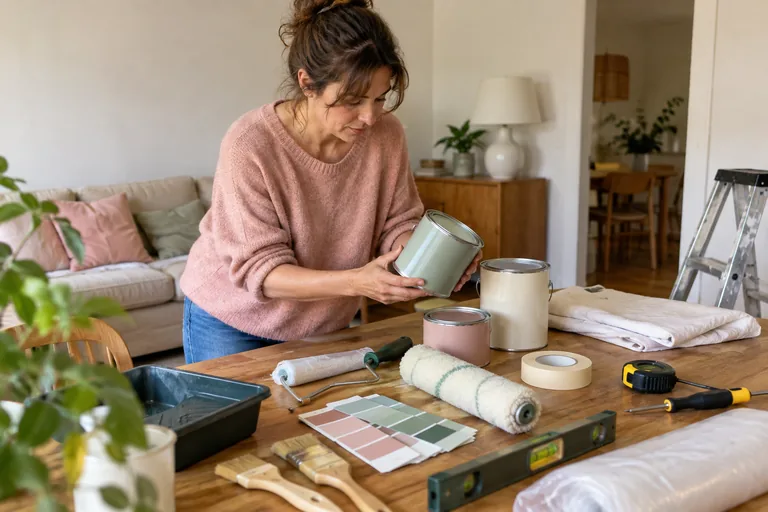
Prepare for a project by visualizing its concrete steps: a short sequence, an everyday obstacle, and a real attempt, without a perfect scenario.
A project notebook connects intentions, constraints, and experiments to help you choose the next version of your creation.
A collection of references becomes useful when you know what each image teaches you and how to find it again without copying it mechanically.
The Miraya app
What you add to your vision board directly informs your next sessions and affirmations: nothing is left in a corner.