Contents
- Don’t turn an exercise into a test of ability
- Replace the scene with a simple description
- Use sensations only if they resonate with you
- Build a board of cues instead of an ideal setting
- Adapt an audio session instead of forcing yourself through it
- Assess how clear it feels, not how vivid an image is
- Frequently asked questions
“Close your eyes and see the scene.” This instruction seems obvious in many exercises. Yet when you try it, you may not see any clear image. You understand what’s being described, can talk about it and know what you’d like to experience, but no inner movie plays. You don’t need to force this experience to think about your future.
You can prepare an intention with words, concrete cues, sounds, or actions. In this article, “visualizing without images” refers to this practical adaptation of the ritual, rather than a technique designed to change how you think. The useful question is simple: does this support help you understand what matters and choose a next step?
Don’t turn an exercise into a test of ability
Mental imagery experiences differ from person to person. The University of Exeter presents research on aphantasia, a term associated with the absence of voluntary visual imagery. However, not forming an image during a session isn’t enough to label yourself. This personal-growth exercise is not a diagnostic tool.
You can simply notice what’s accessible to you today. A blurry image, an idea without an image, a sentence, or knowledge of the place are different experiences. None of them requires you to compare yourself with someone else’s highly visual description. It’s possible to understand a project without seeing it as an inner photograph.
If a prompt leaves you feeling stuck, change the format instead of repeating the same request more forcefully. “Describe what’s happening” may be more usable than “see every detail.” The ritual should serve your intention. You don’t have to ace a mental performance before you’re allowed to prepare for a project.
Replace the scene with a simple description
Choose a situation that’s coming up: starting a workshop, preparing a presentation, or setting aside an hour for a personal activity. Write three factual sentences: where it’s happening, what you’re doing, and what you’d like to make possible. For example: “I’m in the community center’s room. I’m exploring the materials and asking a question. I’m giving myself the chance to try without already knowing how.”
You can read these sentences quietly or keep them in front of you. There’s no need to add any more scenery if you don’t need it. What matters is the connection between your intention and your behavior. A simple description can reveal missing information: the time, what materials are provided, or how to sign up.
If the writing becomes too abstract, start with a list of verbs: arrive, ask, observe, try, take notes. Then put them in a logical order. You’ll have a short sequence of actions to explore without a mental image, which you can compare with the real experience after you try it.
Use sensations only if they resonate with you
Some people find it easier to think about a sound, a texture, or a posture than an image. You can try an everyday cue: hear your first sentence, feel the weight of your journal, or notice your feet touching the floor. This is an option, not a required step.
If imagined sensations don’t come to you either, use a real object. Hold your journal, look at the chair, or briefly listen to the sounds where you are. Then return to the practical question: What do I want to do? A physical object can help you organize your preparation without requiring you to recreate anything in your mind.
Avoid trying to produce a particular emotion at all costs. You can prepare for an action without immediately feeling joy, confidence, or motivation. An intention describes a chosen direction; it doesn’t dictate the emotional state you should be in when you begin. Keep what makes the exercise clearer and set aside anything that adds unnecessary difficulty.
Choose an accessible format
Fill in these prompts to prepare for your next attempt. Nothing is sent or saved.
Your prompt will appear here after you make your choices.
Build a board of cues instead of an ideal setting
An external visual aid can still be useful even if you can’t picture images in your mind. You can gather a photo of a place, the name of an activity, or an object associated with your project. Choose these elements for their concrete meaning, not just to create an attractive composition.
Under each element, write what it represents and one possible action. A photo of a workshop might mean “learning with other people,” and then lead to “check out introductory sessions.” A landscape image might represent “spending time outdoors,” and then lead you to choose an accessible route. Writing down the connection keeps you from leaving the whole interpretation up to the mood of the image.
The guide to vision board develops this way of connecting inspiration with real steps. You can also prefer a list made entirely of text. The format is secondary: what matters is being able to explain what each element adds to your project and what information it gives you for what comes next.
 Read alsoCreative visualization: How to practice it, step by step
Adapt an audio session instead of forcing yourself through it
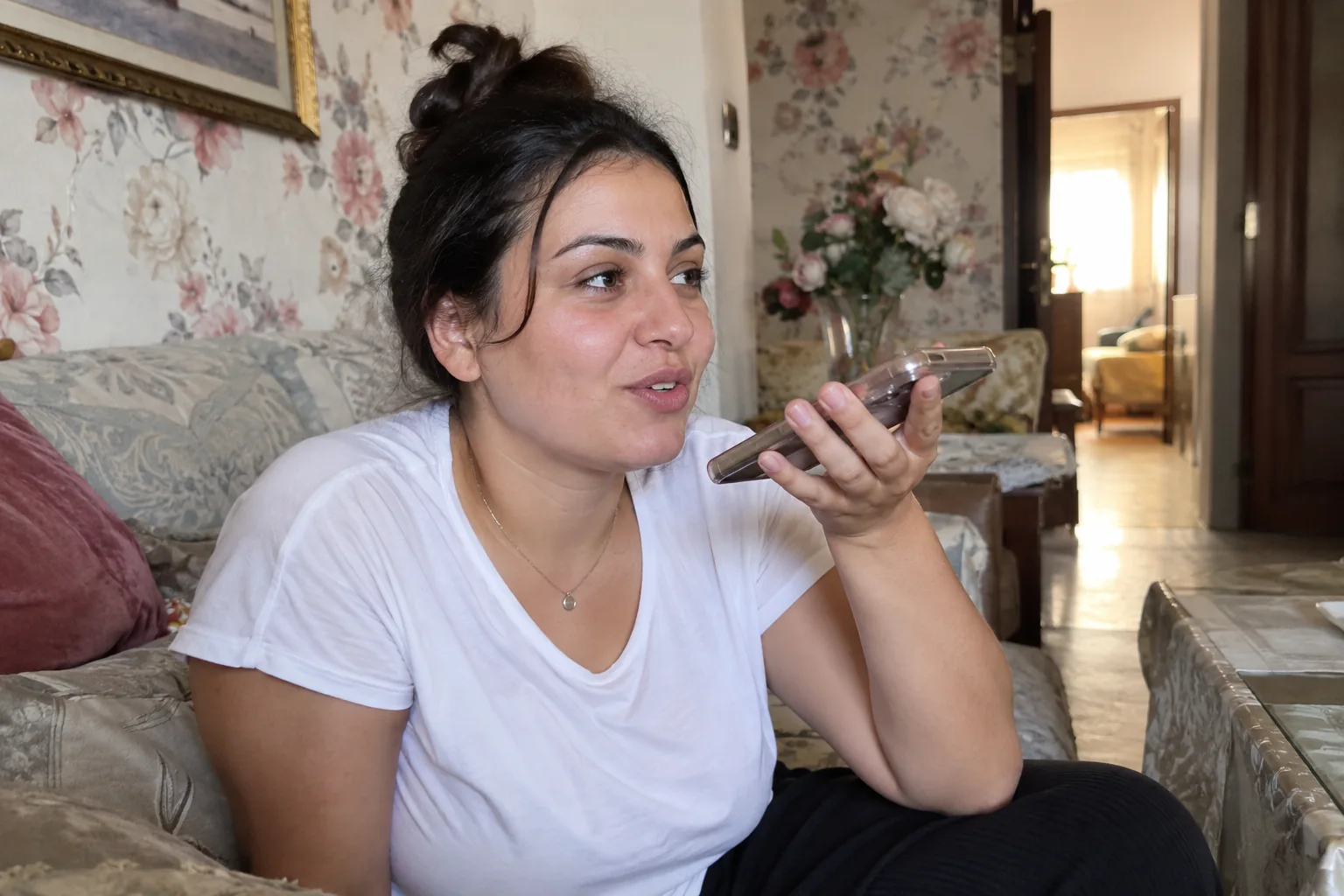
When you listen to a guided session, you can mentally rephrase some of the instructions. “See the door” becomes “think about the door or name the place.” “Imagine your future” becomes “describe a day you’d like to plan.” You’re free to keep your eyes open and look at a steady point if that feels more comfortable.
Miraya offers a guided reading in which the session text scrolls along with the voice. This format may work for you if you prefer to follow the words. On-demand sessions also start with your intention: you can describe a concrete project and the kind of wording that helps you, without treating visual richness as the only sign of a useful listening experience.
After the session, write down one idea you took away and one action. If nothing stuck with you, you can try a shorter format or return to a written note. The scripting practice is another option when putting things into words feels more natural to you than following an inner scene.
Assess how clear it feels, not how vivid an image is
At the end of your trial, ask yourself what changed. Is your desire more specific? Have you identified a practical obstacle? Can you name a next step? These questions are about how useful the ritual is for your project. They don’t ask you to compare an inner experience with an external standard.
You can keep the format that works and use it several times. A three-line worksheet, a voice memo, or a short list of actions can become a personal reference. You don’t need to gradually move toward a more visual version for this preparation to remain worthwhile.
Start today with a simple situation. Describe it, choose the most accessible format, and finish with one doable action. Your imagination can take many forms, and you don’t have to wait for a perfect inner movie before taking action. The best exercise is the one that helps you reconnect with your intention while respecting how you think.
Frequently asked questions
Does seeing nothing mean I lack imagination?
This exercise can’t establish that. You can invent, reason, tell stories, or plan projects in different ways. Notice which supports help you instead of drawing a sweeping conclusion from a single prompt.
Can a real photo replace a mental image?
Yes, as a tool for reflection. Describe what it represents to you and what action it inspires. You don’t need to recreate it in your mind afterward to use it.