Contents
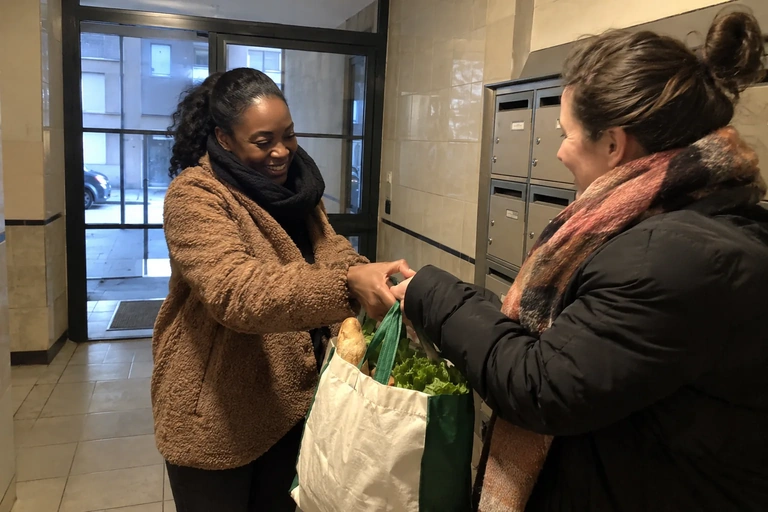
“Thank you for everything” can be sincere and still leave unclear what you want to acknowledge. In a relationship, some gestures go almost unnoticed: someone lets you know about a change, respects your pace, takes a task seriously, or explains something a second time without sighing. A journal of gestures you’ve received can help you rediscover these details. It can inspire a more thoughtful thank-you, but it can also remain a simple personal record.
The idea isn’t to count favors or keep tabs on who gives more. You observe a gesture, its context, and what it made possible. This precision leaves more room for reality than an idealized picture of the relationship.
Notice what was actually done
Start with a recent moment rather than a general quality. “She’s wonderful” expresses your appreciation; “she let me know early enough for me to make arrangements” describes the gesture. Both can be true, but the second sentence gives you a clear starting point. You can acknowledge practical thoughtfulness, an effort to understand, or a respected boundary. Visible, dramatic help isn’t the only kind that matters. Recognizing what matters to the other person also leaves room for make room for mixed emotions about a loved one’s success.
Avoid filling in the blanks for the other person. You know that someone waited; you don’t necessarily know why. You can thank them for waiting without claiming they fully understood what was going on inside you. In your journal, first write down the facts you have, then add your interpretation if it matters to you. This distinction is useful if you decide to share your thanks: it lets you talk about your experience without assigning an identity or intention to the recipient. You can acknowledge this contribution when celebrating a shared milestone, without waiting until the end.
Connect the gesture to a concrete effect
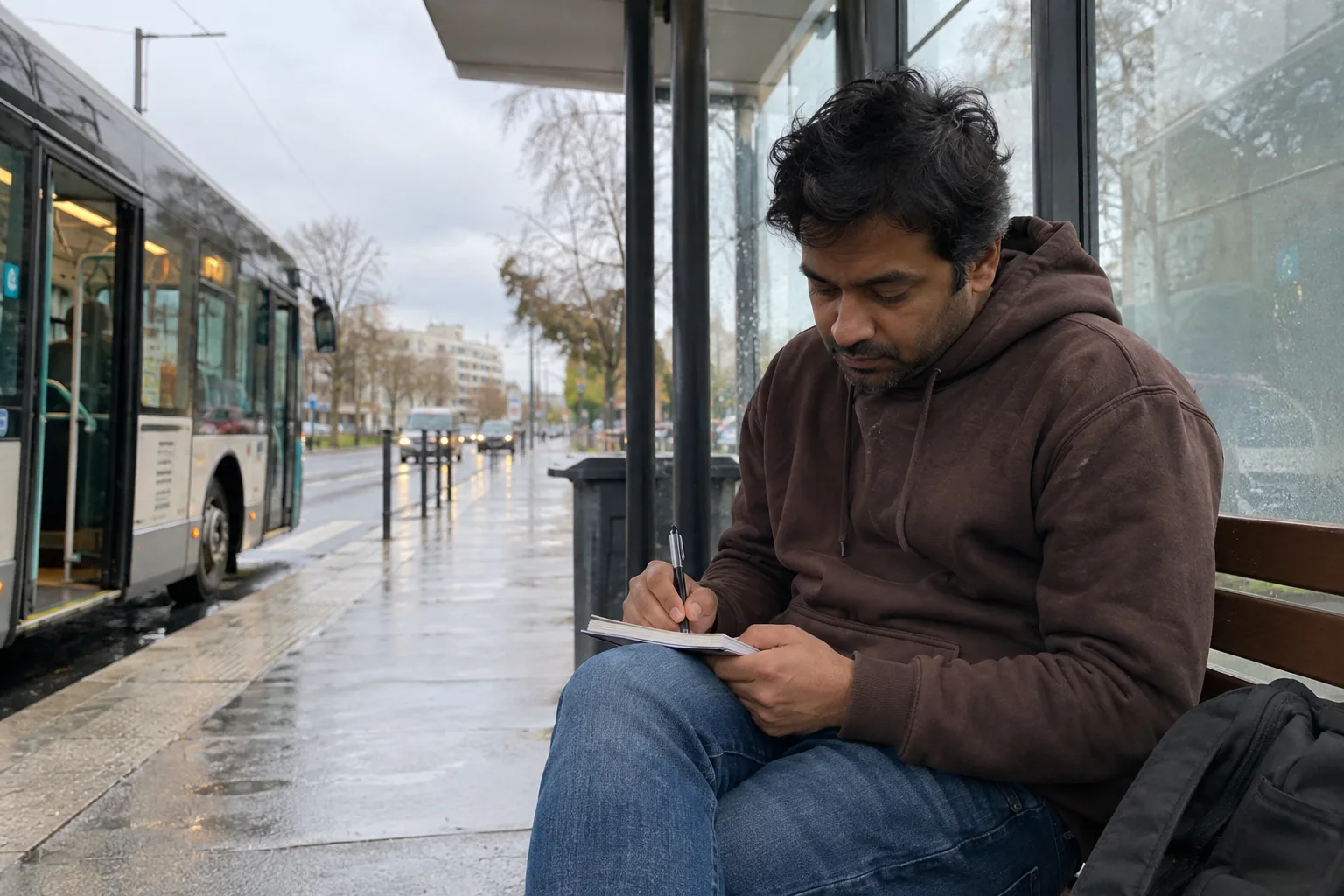
Then ask yourself what the gesture made possible. You were able to finish a sentence, understand an instruction, change a route, or feel welcomed in a group. A concrete effect doesn’t have to be huge to deserve thanks. “It saved me from rushing” can say more than a very solemn phrase. You can also recognize an effort even if the problem wasn’t fully resolved. When saying thank you feels like it creates an obligation, you can thank them without feeling bound by an invisible debt.
For example, a friend took the time to listen to you but couldn’t change the situation. You could write: “She didn’t have a solution, but she let the conversation run its course.” This sentence doesn’t promise that you’ll feel better or turn the other person into a savior. It recognizes a specific act of being there. Keep this level of detail in your notes: it helps you recall ordinary gestures without asking them to carry the full weight of a relationship.
Don’t turn appreciation into scorekeeping
A journal can quickly feel burdensome if every entry calls for something in return. Giving thanks doesn’t mean you have to immediately return an equivalent favor. Relationships don’t all work on a measurable balance from day to day. Your journal can stay focused on what you received, without a debt column. If you’d like to offer something in return, choose freely, based on your means and what would truly suit the other person.
That doesn’t mean you can’t notice a relationship that has been out of balance for a long time. But that question deserves its own space, with all the context, rather than a calculation based on a few lines of gratitude. You can appreciate a gesture and still need to rethink an arrangement. You can thank someone and decline their next request. Gratitude doesn’t suspend your boundaries, the time you have available, or your right to express disagreement about another matter. In a relationship, you can also learn to offering a specific apology when a gesture has hurt the other person.

Prepare a specific thank-you
Fill in these prompts to prepare for your next attempt. Nothing is sent or saved.
Your prompt will appear here after you make your choices.
Write a thank-you that sounds like you
If you decide to speak to the person, use a short structure: “Thank you for doing that; it allowed me to do this.” Add a detail if needed. “Thanks for sending me the address yesterday; I was able to plan the route without last-minute stress” is complete enough. You don’t need to make the message more emotional for it to seem sincere. The right tone depends on your relationship and the channel you usually use.
A thank-you can be said in person, written in a message, or slipped into an existing conversation. Avoid setting up a scene that calls for a particular reaction. The person might reply briefly, be surprised, or not know what to say. Your gesture doesn’t need to prompt a declaration in return. Before sharing, simply check that your message is thanking them for something specific, rather than indirectly introducing a new request or an expectation of becoming closer.
 Read alsoKeeping a journal: how to get started and stick with it over time
Respect people who prefer discretion
Some people appreciate public thanks; others prefer a private note. Don’t assume that putting someone in the spotlight will make them happy. A gesture received in a professional or personal setting may also involve information the person doesn’t want to share. Choose an appropriate way to express your thanks, and keep sensitive details out of posts or group conversations unless everyone involved has clearly agreed.
In the journal itself, you can use initials or a discreet enough description. You don’t need to keep personal confidences to remember someone’s kindness. “Stepped in during a difficult week” may be enough. The goal is to remember the gesture and its effect on you, not to create a complete archive of other people’s lives. This restraint also makes the journal easier to revisit and protect day to day.

For a complementary perspective, watch this video from Caren Hope.
Acknowledge without imposing gratitude
You may go through a time when looking for gestures of support feels artificial. Don’t force yourself to make a list to prove that you’re grateful. The practice doesn’t erase unmet needs or relationship wounds. If you mostly notice a lack of support, you can write about it on another page and think about a specific request. Looking for a positive nuance doesn’t mean you have to stop naming what’s missing.
The Greater Good Science Center presents gratitude as a research topic and offers resources on its social dimensions. These resources offer insight into a general perspective; they can’t predict what a journal will bring about in a particular relationship. The goal here remains modest: to notice things precisely when it feels right. If the word gratitude feels burdensome, simply call this page “gestures I’ve noticed” and feel free to leave it blank.
Give it a light review and choose a next step
Every so often, reread a few entries. Notice which gestures helped you most: getting information early enough, having space to talk, or receiving very practical help. This observation can clarify what you value in your relationships and how you’d like to make your own requests. It may also inspire you to show someone a kindness, without feeling you have to repeat the exact favor you received.
You might choose just one thank-you to express. Consider the context, the right moment, and keeping the message simple. If you’d rather explore an older memory, the format of letter to yourself offers another way to keep a personal record, while the gratitude journal is still useful for short entries. Neither format requires turning every observation into a conversation or every conversation into proof of closeness.
Frequently asked questions
Can I say thank you for a task that’s normally expected?
Yes, if you want to acknowledge how it was done or its concrete effect. That doesn’t change the fact that the task is expected. Just avoid presenting something that should remain a shared responsibility as an exceptional gift.
What if the person downplays what they did?
You can let their response be. Your thank-you describes what you appreciated; it doesn’t need to convince the person that it mattered. A clear sentence is enough, without pressing for a stronger reaction.
Do I have to send every thank-you?
No. Your journal can stay private. Some observations are only useful for better understanding what moves you or helps you. Sending a thank-you is an additional choice, guided by the relationship, existing boundaries, and your real intention.