
Contents
You're revisiting a goal you set a few weeks ago. Some steps have moved forward, while others are still untouched. Before long, the review can turn into a statement about you: “I'm not consistent,” “I always start too many things,” or “I should be further along.” These conclusions may seem to sum things up, but they rarely show you what to adjust.
A useful review describes what you tried, under what conditions, and with what results. You can acknowledge disappointment without turning the whole project into a personal verdict. The point is to recover the information your experience has provided, then make a decision: continue, change course, put things on hold, or stop pursuing a direction that no longer feels relevant.
To check these choices with your own inputs, use SMART Goal Planner: Your Sheet and Milestones. The method and limits stay visible, and the worksheet exports without an account.
Return to the goal as it was originally stated
Start by rereading the original statement, if you kept it. What result did you want? By when? With what resources in mind? You may discover that the scope was much less clear than you remember. It's hard to evaluate an intention precisely when it never defined an observable result. A disappointing result may also invite you to receive a rejection without treating it as a verdict on you.
If the goal was vague, don't reconstruct a higher standard after the fact. “Getting back into drawing” didn't necessarily mean finishing ten illustrations. Note what you had actually decided and what was still open. This distinction keeps you from moving the finish line when you review your progress.
Look at your starting assumptions, too. You thought you'd have an evening free, access to a place, or receive some information. Some conditions may have changed. Noting them doesn't mean denying your role in making decisions; it helps you understand the circumstances in which you actually pursued the goal. To turn outside feedback into a realistic adjustment, you can sort through criticism you received.
Separate facts, interpretations, and emotions
First, write down the observable facts: three sessions completed, an appointment rescheduled, a draft finished, a request that went unanswered. You can refer to your calendar, files, or notes so you don't sum up the whole period based on the last day, especially if it was difficult. When circumstances change during the month, you can start the month with three useful questions.
Next, write down your interpretation and label it as such: “I feel like the project is moving slowly.” Then, if you like, name what you're feeling: disappointment, relief, curiosity, or weariness. These feelings can coexist. A project may have progressed and still leave you disappointed; stopping may be reasonable and still make you sad. If the project no longer feels right for you, you can also prepare to stop thoughtfully without reducing it to failure.
This breakdown doesn’t ask you to become cold or positive at any cost. It simply gives each piece of information its place. “Two time slots canceled because of an unexpected obligation” calls for a reflection on scheduling. “I’m never able to follow through” closes many more doors without adding any further detail.
Notice what made real attempts easier
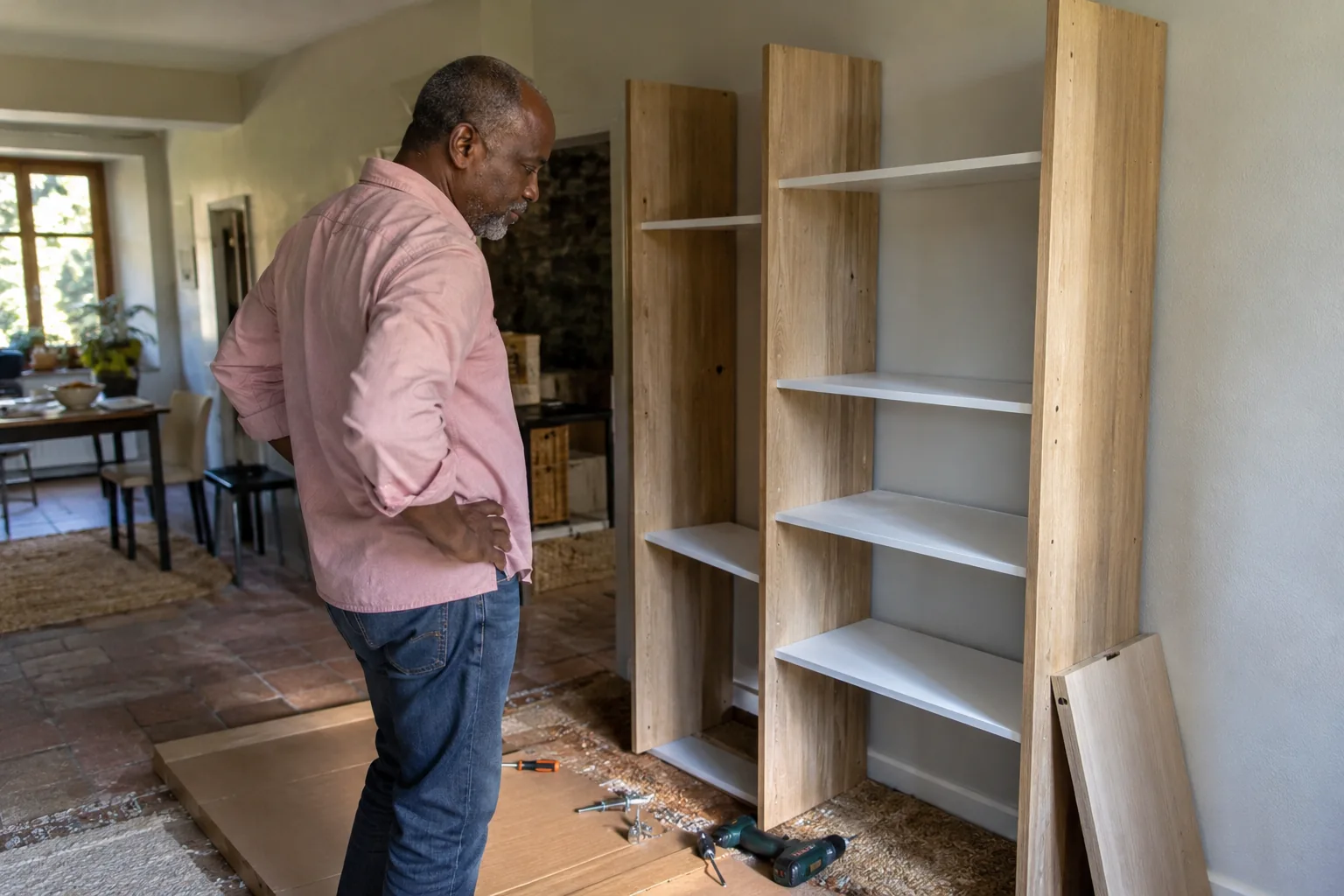
A review also considers favorable conditions. What time worked? What materials were ready? Did a clear instruction, a quiet place, or an available person make it easier to get started? These things may seem minor, but they can help you organize your next attempt.
Look for differences between sessions rather than a universal explanation. Maybe you made better progress on Saturday morning because you had a suitable space, not because mornings are always your best time. Avoid turning a single attempt into a definitive rule too quickly. Keep the observation and check it when you have other opportunities.
You can also recognize what you want to keep for its own value: an enjoyable activity, a useful conversation, a new question. Not every outcome comes down to the original deliverable. Note these benefits without claiming they fully replace the goal if it still matters to you.
Turn your review into a decision
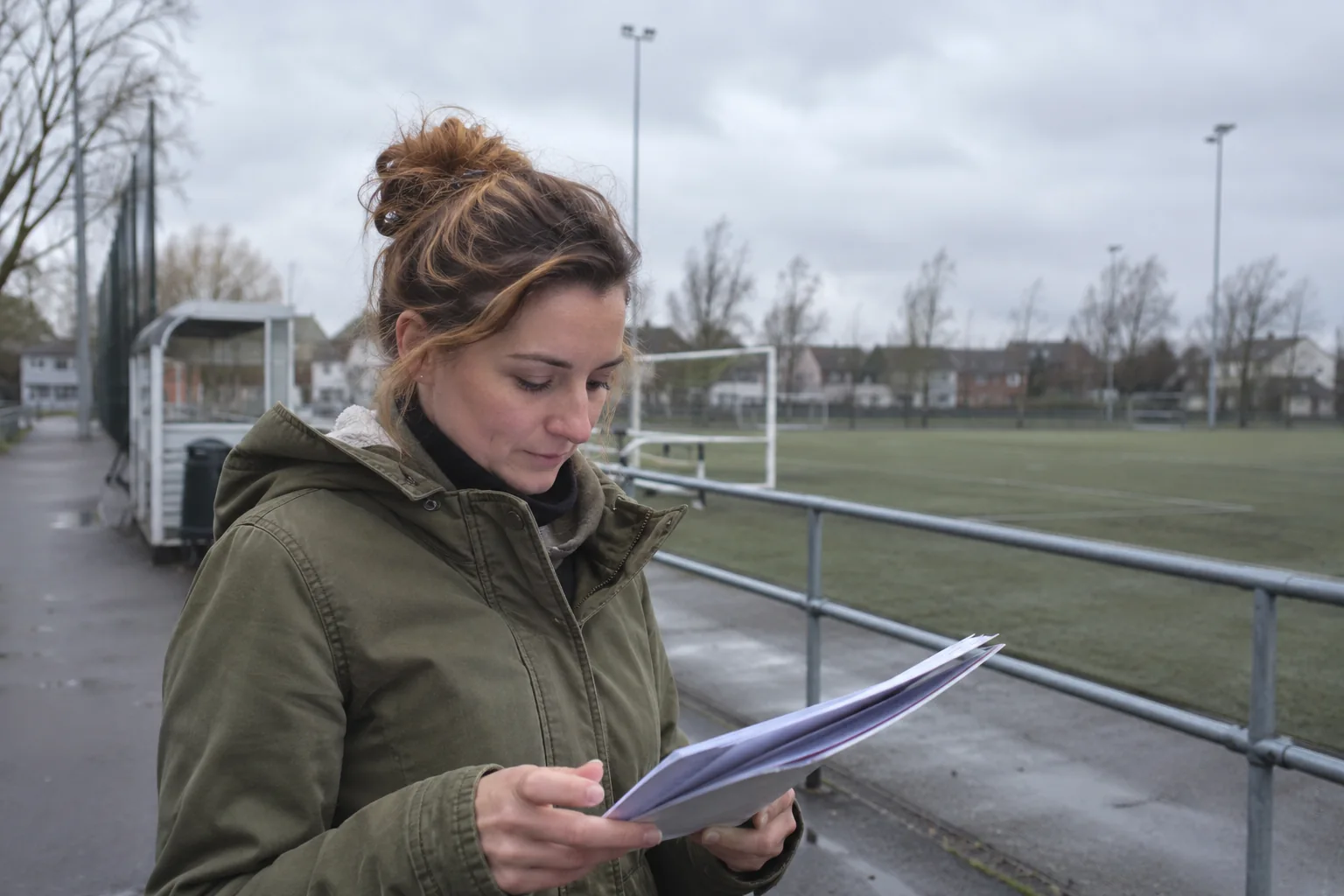
Fill in these prompts to prepare for your next attempt. Nothing is sent or saved.
Your prompt will appear here after you make your choices.
Identify an obstacle specific enough to change
Choose the main obstacle now. “Not enough time” can cover several situations: a time slot that’s too short, forgotten travel time, a lengthy setup, or a competing priority. Defining the problem makes it possible to choose a targeted adjustment instead of simply asking yourself for more willpower.
Also distinguish what depends on you from what requires an outside response. You can prepare a clearer question, but you can’t dictate when you’ll get an answer. You can look for another place, but you can’t remove every geographical constraint. An honest review keeps this distinction in view.
If a rigid idea about your abilities keeps coming back, the guide to limiting beliefs can complement your exploration. For this review, stay focused on a specific episode. “I didn’t ask for clarification when the instructions were ambiguous” offers a more concrete action point than a conclusion about your overall character.
 Read alsoKeeping a journal: how to get started and stick with it over time

Choose whether to continue, adjust, wait, or stop
Continuing makes sense when the direction still feels right and the conditions are working well enough. Adjusting means changing one identifiable part: the size of the step, the format, the time slot, or how you get information. Write down what’s changing so you don’t repeat exactly the same attempt while hoping for a different result.
Putting it on hold makes sense when a necessary condition is temporarily missing. Add a condition for resuming: receiving a response, reaching a less busy period, or finding an accessible place. Without that marker, waiting can turn into a project that keeps occupying your attention without having a real place in your life.
Stopping can be an informed decision if the desire no longer fits your situation or the current cost no longer makes sense for you. Keep what you’ve learned and close out any commitments related to the project appropriately. Stopping doesn’t make the whole experience pointless; it can simply bring the exploration it opened to a close.

Write a review short enough to reread
You don’t need a full page. You can wrap up with five lines: the original goal, the facts, the main lesson, the decision, and the next step. This format keeps the useful information without turning the review into endless work. If you want to explore it further, the journal offers a different kind of space. For a career transition already underway, writing after leaving a job helps you avoid reducing the whole experience to its ending.
In Miraya, the “My Small Steps” journal connects an intention, a concrete action, and a review. You can keep a factual observation after trying something, then revisit those notes when you do a broader review. An audio session can also help you return to the meaning of your intention before choosing what comes next. For a journal project, one way to wrap up could be to choose an ending without filling every page.
For your next review, start with a period short enough for you to remember the facts. Don’t try to explain your whole personal story. Look at this project under these conditions, then choose one specific change. You’ll have a more useful result than a general judgment, and a next step you can actually try.
Frequently asked questions
How often should you do a review?
Choose a frequency that matches the project's pace. After an important trial or a few sessions, you'll often have more information than after each day. Avoid reviewing so often that it replaces the practice.
What should you do if you don’t see any progress?
First, check what you actually tried and what you expected to observe. Then look for a specific obstacle or a missing question. You can decide to change the project instead of automatically increasing your effort.