Contents
- What can a retirement journal offer?
- How can you describe what work gave you?
- How can you picture a week in your retirement journal?
- How can you prepare for changes in relationships?
- Which administrative questions should you keep separate?
- What can you do if you’re not sure what you want yet?
- Try out a routine before choosing an activity
- Frequently asked questions
- Sources
A retirement journal helps you explore how daily life changes when paid work takes up less space or comes to an end. You can identify routines to keep, relationships to nurture, and activities to try, without having to come up with a new identity or a packed schedule right away.
This page is about the personal transition, before or after you retire. You’ll need to verify benefits, amounts, and administrative procedures with the relevant organizations. Your journal can keep track of questions to ask them, but it doesn’t calculate your retirement benefits or replace their information.
What can a retirement journal offer?
Work sometimes organizes schedules, commutes, interactions, and the way you introduce yourself. Changes to these things may feel welcome, enjoyable, unsettling, or all of that at once. A journal lets you look at each of these aspects separately instead of having to answer one huge question: “What am I going to do with my life?”
| Aspect | What might change | Question to explore |
|---|---|---|
| Pace | Schedules and commutes | What routine would I like to keep? |
| Relationships | Regular meetups | Who would I like to stay in touch with? |
| Activities | Available time | What would I like to try without a long-term commitment? |
| Identity | The way you talk about yourself | What roles did I already have outside of work? |
You don’t have to enjoy writing to get started. One sentence for each aspect is enough, as in the one-sentence-a-day journal. The goal is to make the questions more concrete, not to measure whether you’re preparing for this stage the right way.
How can you describe what work gave you?
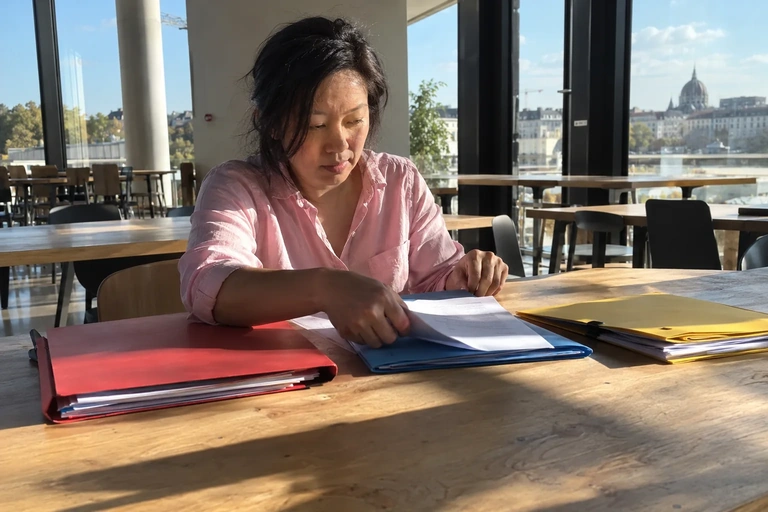
Choose a typical day and describe how it unfolds. Notice what worked for you, what took a toll, and what was simply familiar. A break with coworkers and a difficult meeting can both be part of the same day. You don’t have to decide that you either regret all of your work or have completely moved on from it.
For each thing you want to keep, look for the purpose it served. Maybe the commute gave you time alone, the break brought conversation, or a task made you feel you were learning. That same purpose can take several new forms. The learning journal is a good fit if curiosity and making progress matter a lot to you.
Also write down what you don’t want to recreate. A retirement packed with commitments you chose too quickly can feel like the schedule you wanted to leave behind. Our guide to choosing a priority among several projects helps you distinguish between available possibilities and commitments you need to make.
How can you picture a week in your retirement journal?
Sketch a tentative week with a few reference points: meals, existing appointments, rest time, activities you choose, and real obligations. Deliberately leave some open spaces. You can’t discover your new rhythm if every time slot is already assigned to an idealized version of retirement.
Next, choose just one reversible trial: visit an association, attend an introductory session, or suggest going for a walk. A trial is for gathering information, not proving your motivation. To make it a manageable size, use the five-minute small step as a way to scale it back.
After the trial, note the travel, pace, welcome, and whether you’d like to return. An activity that looks interesting on paper may not fit your constraints. By contrast, a simple encounter can become an important point of reference. The judgment-free goal review helps you distinguish this information from a judgment about yourself.
How can you prepare for changes in relationships?
Make a simple map of the connections you want to keep: loved ones, former colleagues, neighbors, people you know through associations. This isn’t about counting people or setting a social quota. Instead, note the kind of interaction you’d enjoy and the kind the other person seems to want.
A relationship connected to work may continue in a different way or become less frequent. You can suggest staying in touch without expecting the connection to keep its old frequency. To prepare what you’d like to say, the conversation journal helps you start with a specific conversation rather than a general expectation.
If you live with someone, spending more time at home may also call for adjustments. Write down your needs for time alone, shared tasks, and time together, then discuss them. The journal helps you prepare for the conversation; it doesn’t let you decide the other person’s schedule on your own. Setting a boundary clearly can still be useful, even in a close relationship.
Flip cards
A few things to keep in mind
To keepFlip
What meaningful role could take a different form?
To let goFlip
What constraint do you not want to recreate?
To tryFlip
What activity is still reversible and accessible?
 Read alsoScripting: Write your dream life to clarify what you want
Checklist
Prepare your page
0 / 4
You can now try something, adapt your approach, or close your journal.
Your workshop
Choose your starting point
Open a suggestion and try it in your journal. You don’t have to share anything personal on this page.
Before leaving
Describe a workday and identify what you’d like to keep in a different form.
In the first few weeks
Notice moments of freedom and of missing something. Choose one point of reference without filling the whole week.
After a first trial
Note what you enjoyed, the constraints, and whether you’d like to return. You can continue or change course without having to justify a failure.
Generator
A writing prompt
Distinguish pace, relationships, and activities. What I notice specifically is…
See all the phrases
Observe
- Distinguish pace, relationships, and activities. What I notice specifically is…
- Notice what work provided in practical terms. My example today would be…
Choose
- Set aside a time to notice what works for you. The version that works for me is…
- I can leave this page as it is, because what I wanted to put down here was…
Which administrative questions should you keep separate?
Keep a separate list for procedures and official contacts. A question about an entitlement, a date, or a payment should be easy to find without having to search through your personal pages. Service Public’s “I’m preparing for retirement” starting point directs you to the relevant information and services for your situation.
Avoid copying account IDs, passwords, or sensitive documents into your journal. A neutral note like “check this with my pension fund” is enough. If you take notes after a conversation, include the date and organization, then verify important details in an official document.
This separation also protects the time you devote to your personal story. An administrative appointment doesn’t have to take up every page. You can move forward with the paperwork and keep your questions about pace, curiosity, or relationships elsewhere, without confusing what each one calls for.

What can you do if you’re not sure what you want yet?
Start with what you actually notice: when you enjoy some quiet, when you miss having someone around, and which activity makes you want to go out. A period of observation doesn’t mean you have no plans. The little pleasures journal can offer a concrete format without requiring everything to feel enjoyable.
You can also revisit old wishes without feeling indebted to them. An activity you dreamed of for years may no longer appeal to you now. Having free time doesn’t obligate you to become a volunteer, an athlete, a traveler, or the family’s permanent organizer. Your choices should take your current means and needs into account.
If isolation, a loss of direction, or sadness persists, seek appropriate support from someone you trust, a professional, or a local organization. A journal isn’t treatment, and you don’t have to wait until you have a bright outlook to ask for help.

Try out a routine before choosing an activity
You can start by trying a certain kind of day instead of taking up a new activity. For example, keep one morning free, plan an appointment in the afternoon, and notice how that schedule works for you. Another day, you could switch the order. You’re learning about your own rhythm, not searching for the ideal retirement week.
Note the constraints that actually got in the way: transportation, a loved one’s schedule, feeling tired after traveling, or a venue’s availability. These factors may explain why an activity you enjoy is hard to repeat. You can change the frequency or time slot before deciding it isn’t right for you.
If several people depend on your time, distinguish what you offer from what they already expect. Time freed up from work isn’t automatically available for every request. This page can help you prepare for a conversation about what you can realistically offer, while also leaving room for moments that don’t yet have a defined purpose.
For a complementary perspective, watch this video from Rita Wilkins.
Frequently asked questions
When should I start a retirement journal?
Before you leave, if you feel like it, or afterward to notice the first changes. There’s no required ideal date.
Do I need to plan every week?
No. A few guideposts and one trial are enough; leave room to discover what actually works for you.
Can I miss certain aspects of work?
Yes, without that canceling out your desire to leave. Your journal can help you distinguish a role you valued from the constraints you no longer want.
Do I need to find a new passion?
No. Connections, everyday activities, and rest can have a place without becoming a passion or an ambitious project.
Can a journal help me calculate my pension?
This guide doesn’t cover calculations. Use official services and qualified contacts for your entitlements and procedures.
What if the transition feels hard?
Scale back the exercise and seek support if the difficulties persist. Writing on your own is not an obligation or a sufficient response to every situation.
Sources
- Service Public. “I’m preparing for retirement.” Official starting point for administrative procedures, separate from the personal journal. View the resource.