Contents
- Journal privacy: what do you want to protect?
- Journal privacy: how can you identify who has access?
- How can you set a clear boundary with the people you live with?
- What should you do with information about other people?
- How can you prepare to share something by choice?
- How can you keep writing as an option?
- How can you check your setup using a blank page?
- Frequently asked questions
- Sources
Journal privacy depends on who can access your notes, whether they’re on paper or on a screen. To protect them better, first identify physical access, shared accounts and copies, then choose measures that fit your home and how you use your journal.
A small lock or password isn’t a universal guarantee. This guide offers a simple inventory, ways to express your boundaries and a workshop that doesn’t require you to enter personal information. You can decide what you want to write, keep or leave out of your journal.
Journal privacy: what do you want to protect?
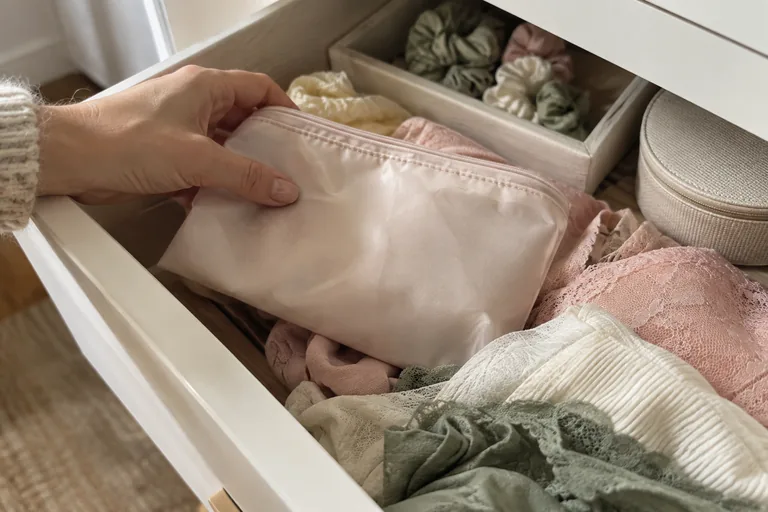
Start by distinguishing between several needs. You may want to avoid an accidental read, prevent a curious person from flipping through your journal, or limit the distribution of a copy. These situations don’t call for exactly the same precautions. Discreet storage can reduce accidental discoveries without preventing a deliberate search.
The content matters too. Some pages describe a walk; others mention health information, family difficulties, or a loved one’s confidences. You can choose not to keep everything in the same place. That decision doesn’t make your journal any less sincere; it takes into account what you’re comfortable exposing.
If you’re just getting started, our guide to keep a personal journal reminds you that you’re free to choose what to write and how often. You can write about an ordinary detail without telling your whole personal story. No journaling rule requires you to cross a boundary that feels necessary to you.
| Situation | Priority check | Limit to keep in mind |
|---|---|---|
| Journal in a shared room | Who can open the storage space? | A discreet cover doesn’t block access |
| Phone lent out regularly | What remains visible when it’s unlocked? | The initial lock doesn’t protect against every use |
| Account used on multiple devices | Where do the notes appear? | Syncing can multiply access points |
| Photos or exports of the journal | Where are the copies, and who receives them? | Protecting the original doesn’t protect every copy |
Journal privacy: how can you identify who has access?
Make a list of the places where your journal actually exists. For a paper journal, think about where you usually store it, the bag you carry it in, and any photos of its pages. For a digital file, think about the main device, the account, linked devices, and folders where you’ve already exported notes.
This first inventory can be very short. The point isn’t to write your passwords in a new list. Just note the places and services to check. If you don’t know how something works, keep it as a question instead of assuming that content stays private because the interface presents it as personal.
The CNIL offers guidance on securing access to a smartphone, including passcodes and automatic locking. These precautions address part of the problem. They should be complemented by an understanding of the app you use, its settings, and the people you lend your device to.
Avoid testing privacy with a real confidence. Instead, create a fictional note that’s easy to recognize, then see where it appears. This test may reveal syncing you’d forgotten about. Then delete the test note using the service’s usual process, after understanding any copies that may exist.
Private workshop
Which access do you want to review?
Open a situation and check your own storage medium. Don’t enter any secrets, codes, or journal excerpts here.
My journal stays in a shared room
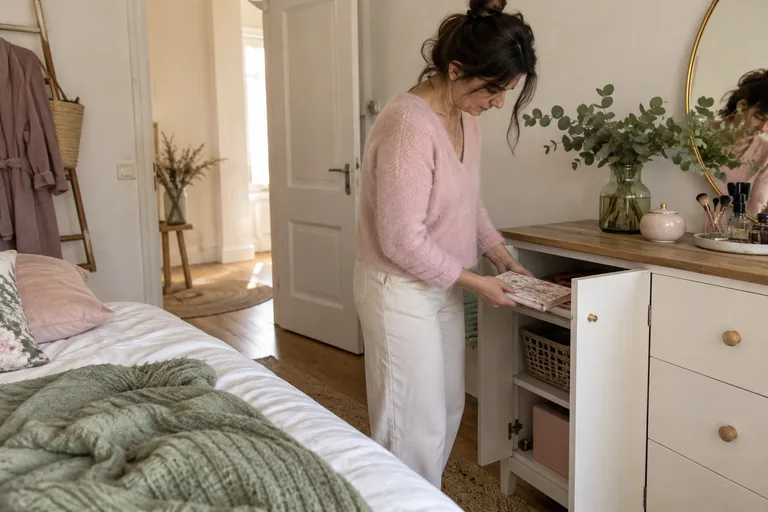
Choose a personal storage spot and check who can open it. If it’s safe to do so, let the people concerned know that this journal isn’t meant to be read.
My notes are on my phone
Check the lock, visible previews, and linked accounts. Consult the app’s documentation to understand its storage and syncing.
I’ve photographed or exported pages
Look for where these copies are stored and who may have received them. Decide separately whether to keep them.
How can you set a clear boundary with the people you live with?
When the relationship allows, a precise sentence can prevent ambiguity: “This journal is personal; I don’t want anyone to open it.” You don’t need to reveal what’s inside to explain this boundary. You can also clarify what may be moved and what should stay in its place.
Choose an ordinary moment rather than a conversation that’s already tense. Describe the boundary without treating the person as a suspect. A phrase like “I need a space to write on my own” lets you talk about how you use it. Our guide to setting a boundary without a lengthy explanation offers other ways to stay clear.
A verbal agreement, however, isn’t technical protection. If your journal contains particularly sensitive information, also adjust where you keep it or what you store in it. You can do the same with a borrowed phone: a relationship boundary and practical arrangements can complement each other, without guaranteeing that all snooping becomes impossible.
If someone monitors your devices, controls your belongings, or reacts dangerously to your boundaries, don’t try to resolve the situation with this exercise alone. Avoid sudden changes that could increase the risk, and seek appropriate help using a safe method. Your safety comes before keeping a journal or confronting someone about reading it.
Flip cards
Phrases for an ordinary, safe situation
Clarify how it’s usedFlip
This journal is a personal space, and I don’t want anyone to read it.
Avoid a lengthy explanationFlip
I can talk with you without sharing all my pages.
Allow a limited actionFlip
You can move the journal to the shelf without opening it.
Choose another way to talkFlip
If something is bothering you, let’s talk about it directly instead of looking through my notes.
 Read alsoScripting: Write your dream life to clarify what you want
What should you do with information about other people?
Your journal tells your perspective, but it may contain details that are also part of someone else’s private life. Ask yourself whether a full name, an address, or a specific confidence is necessary to understand your experience. Sometimes a general description is enough and means less would be exposed if someone read it.
You can write “a conversation with a friend made me think” without repeating what she’s going through. The guide to keeping memorable conversations helps you distinguish between remembering a connection and collecting information. It’s not about making your writing cold, but about choosing what’s useful to record.
If you want to share a page, reread it as a document intended for someone else. Check the people mentioned, photos, screenshots, and identifiable details. You can prepare a separate excerpt instead of showing the whole journal. A unsent gratitude letter can also remain private even if it concerns someone close to you.

Quiz
Copies count too
A photo of a page is also a copy to protect.
See the answer
True. It may be saved or synced somewhere other than where the journal is kept.
You have to reveal what’s in the journal to ask that it be kept private.
See the answer
False. You can state the boundary without explaining every confidence.
A small lock guarantees that no one can read it.
See the answer
False. It can signal a boundary, but it isn’t absolute protection.
How can you prepare to share something by choice?
Sharing a page can be a lovely choice: showing a memory, thanking someone, or explaining a period of your life. If you do, prepare a copy that includes only what you want to share. Also check the back, the margins, and nearby pages if you’re photographing your journal. A frame that’s too wide can show more than the excerpt you intended.
Tell the recipient how you’d like them to use it: for personal reading, to keep, or to discuss with you. This request sets a boundary, but it can’t guarantee that the copy will never be shared. If some information feels too sensitive to give up control over how it’s shared, leave it out of the excerpt or choose a conversation without a document to pass along.
When it comes to details about someone else, don’t assume that your wish to share means they agree. A family anecdote may be joyful for you and sensitive for someone else. You can ask what they’re comfortable with, remove certain details, or share only how you felt. You can make it personal without revealing the whole situation.
After sending it, you might note which version you shared and with whom, if that helps you keep track. This small reminder can help you distinguish your full journal from a text prepared for someone else to read. It doesn’t turn the exchange into constant monitoring; it’s simply a way to keep your own choices clear.
How can you keep writing as an option?
Being careful doesn’t have to mean checking every sentence endlessly. Once you understand the main ways someone could access your writing, choose a simple routine: a consistent place, a suitable format, and a clear sharing rule. Revisit these choices if your living situation, device, or app changes, instead of checking everything all the time.
You can also limit how much detail you include. The one-sentence-a-day journal keeps a light record; the nature journal lets you write about what you observe. These formats don’t replace the need for a private space, but they may work for you when you don’t want to keep personal confidences.
If someone read your writing without your permission, take time to decide what you want to do before deleting all your notes. You can move the material, keep an appropriate copy, or stop writing. Our article for picking up a journal after a break reminds you that you’re not obligated to keep going.
Finally, don’t confuse privacy with isolation. Your journal can stay private while you still choose to talk with someone you trust. If what you’re going through continues to weigh on you, journaling prompts can help you organize your thoughts, but they don’t replace the human support you may need.
Checklist
A simple check of my writing space
0 / 6
This check reduces some uncertainty. It doesn’t guarantee complete security.
How can you check your setup using a blank page?
Create a practice entry that contains no personal details or identifying information: a few lines about the weather or a list of colors is enough. Use it to explore saving, searching, syncing, and exporting. That way, you can check how your tool works without exposing a real personal page while you learn.
Notice what appears when you leave the app. Does the last page remain visible in the open apps preview? Does the title appear in a notification, a global search, or a recent documents list? These details vary by device and settings. The right question is what your own device shows, in its current state, to someone using it normally.
If your journal is on paper, try the same walkthrough. Where is it while you write, when you step away for a few minutes, and when you put it away? An arrangement may work in the evening but be less practical in the morning, when several people pass through the room. Choose a spot you can reach without turning every writing session into a complicated concealment operation.
Also look for forgotten copies. A photo you take to reread a page on the train may remain in a shared photo library. A printed document may be left in a shared printer’s tray. An attachment meant for one person may be kept in a conversation. Protection covers this whole journey, not just the place where you wrote the first text.
You don’t have to fix everything at once. Start with a concrete, common risk: an overly visible preview, a loaned device with your session still open, or a journal left in a shared room. Then check whether the solution is still easy to use every day. A rule that’s easy to follow is more useful than a theoretical safeguard that makes you give up writing.
Finally, distinguish discreet organization from a situation involving control. If someone demands your passwords, monitors your devices, or threatens you over what you write, the issue goes beyond choosing a journal. Put your safety first, seek appropriate support using a safe means, and don’t start a confrontation that could put you in greater difficulty.
For a complementary perspective, watch this video from Chic Sparrow.
Frequently asked questions
Does a journal with a lock really protect my notes?
It can signal that the journal is private and help prevent someone from opening it by accident. It doesn’t guarantee that a particular person won’t be able to read it.
Where should I keep a personal journal in a shared home?
Choose a personal spot where you know who has access. A discreet place can help prevent someone from finding it by accident, but you should also consider who can open the storage space.
Does my digital journal stay only on my phone?
Not necessarily: it depends on the app, the account, and the settings. Check the syncing and backup information in the official documentation for the tool you use.
Should I write initials instead of names?
That’s one option when a person’s full identity isn’t necessary. However, initials don’t always make someone unrecognizable if the context is still specific.
Should I share my journal with my partner?
You can choose what you want to share. A conversation about a shared topic doesn’t require access to all your personal notes.
What should I do if I don’t feel safe writing?
You can stop, change the subject or look for a safer way to talk to someone you trust. If your belongings or devices are being monitored, prioritize help suited to the situation over a risky confrontation.
Sources
- CNIL. How can you make access to your smartphone as secure as possible?.
- CNIL. Mobile apps: your privacy needs better protection.
- CNIL. Security: backing up. Protection also covers copies.