Contents
- See your journal as something that’s there when you need it
- Decide whether you want to reread before continuing
- Write a very short page about coming back
- Choose which missing memories to include without reconstructing everything
- Understand the interruption without judging yourself as a whole
- Prepare for another opportunity instead of aiming for a perfect streak
- Make space for it somewhere visible but private
- Frequently asked questions
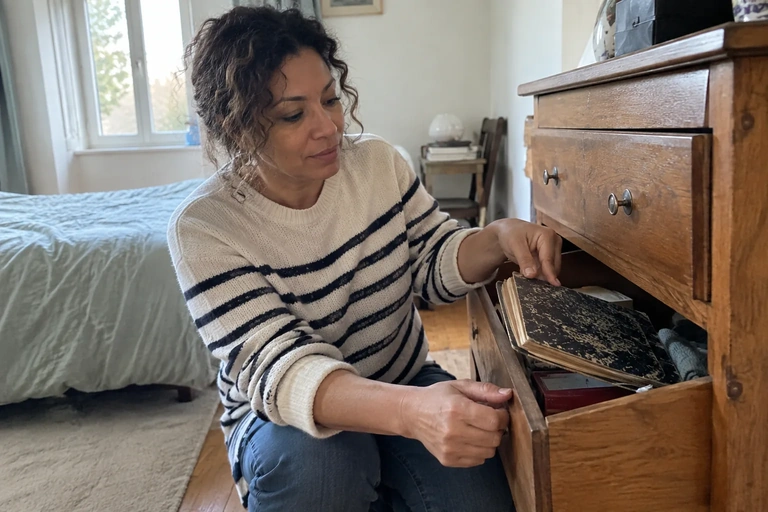
You find a journal you started several months ago. A few pages are filled, then everything stops. Your first instinct may be to explain the absence, sum up the whole period, or start over with a new notebook to make the interruption disappear. You can also simply open the next page and write from today. Picking up a journal again doesn’t mean you have to make up for the days without writing.
Picking it up again is a practical, personal choice: which format to keep, how much space to give the old pages, and what format would work for you now? Here’s one way to return to writing without turning it into a discipline program.
See your journal as something that’s there when you need it
Before rereading, consider only what you need in order to write. Does the journal open easily? Does the pen work? Is the format comfortable? A support that’s too heavy, too precious, or difficult to carry may explain part of the interruption. You don’t need to draw a conclusion about your consistency. Sometimes changing pens or moving the notebook is enough to make writing feel more accessible.
You can keep the same journal, remove a bookmark, or start somewhere else. If you choose a new format, do it for a practical reason or because you truly want to, not because the old one became unusable after a break. The missing pages don’t damage the pages you wrote. A personal journal can hold busy stretches, silences, and changes in form. It doesn’t have to look like a calendar filled in regularly.

Decide whether you want to reread before continuing
Rereading is optional. You can go straight to a blank page if the old entries distract you or put pressure on you. You can also read just one page to reconnect with your handwriting and the context at the time. Try not to turn this first return into a review of everything you had planned. An old note contains the information and concerns of another moment, not a list of promises that still apply. To find your materials without spreading everything out, you can set up a portable writing nook in a small space.
If a page feels unfamiliar, let that difference be. You may have changed your mind, circumstances, or vocabulary. You can write beside it, “Today, I see this differently,” without changing the original text. If some passages feel sensitive, choose a way to protect or set them aside. The right to continue doesn’t require you to reread everything, keep everything, or recognize yourself in every sentence from the past.
Write a very short page about coming back
Start with the date and a sentence to mark your return: “I’m picking up here.” Then add three things about the present: what’s on your mind, what has changed, and what you’d like to do on this page. You can keep it very concrete: a new commute, an activity you’ve stopped, a book you’ve started. This starting point takes away the pressure to tell several months in order. You’re writing from the present, with as much context as seems useful to you.
A return page can be five lines long. For example: “Work has picked up a different pace. I’m walking more. I don’t feel like doing a big recap. Today, I just want to hold on to the memory of this morning.” The text doesn’t need to explain why you didn’t write. If you’re curious about the break, you can give it another page. It’s not a required step before you’re allowed to write about something new.

Plan a return without catching up
Fill in these prompts to prepare for your next attempt. Nothing is sent or saved.
Your prompt will appear here after you make your choices.
Choose which missing memories to include without reconstructing everything
Some periods may deserve a retrospective record: a trip, a meeting, a transition. You can create a page titled “A few things in between.” Write down only the events you want to keep, and note that you’re recounting them after the fact. That helps avoid confusing a reconstructed memory with an entry written in the moment. An approximate date can stay approximate if it’s enough to help you find your way.
Don’t turn this page into a catch-up assignment. You can choose three moments and leave the rest unwritten. Photos, conversations, and your memory also preserve pieces of that period. Your notebook doesn’t have to become a complete archive of your life. If piecing things together is keeping you from starting again, return to today. You can fill in more later, or never. A notebook can feel continuous because you’re present in it now, without connecting every gap. Starting again can be a chance to choose between paper and digital, without copying all your old pages.
 Read alsoKeeping a journal: how to get started and stick with it over time
Understand the interruption without judging yourself as a whole
If you’d like to look at why you stopped writing, consider practical factors. Was the notebook stored far away? Was the format too long? Did you need something else at the time? Was writing every day something you personally wanted, or a challenge you took on without thinking it through? These questions can help you adjust your setup. They’re more useful than a statement like “I never stick with anything,” which doesn’t point to any specific change. If you no longer want to continue this volume, you could instead finish the notebook while keeping its useful parts.
You may also find that the break wasn’t a problem. Writing may have served its purpose for a while, then made room for other activities. Starting again doesn’t mean you should have kept going. Keep this possibility in mind as you decide what comes next. General tips for keeping a journal can help you consider different formats, but you don’t have to write every day for your notebook to feel alive. Starting again doesn’t require you to reread everything, but our guide to revisiting an old journal without judging yourself may help if you’d like.

Prepare for another opportunity instead of aiming for a perfect streak
Choose a plausible next time: after a walk, during a ride when you’re a passenger, or on a Sunday when you feel like rereading. It can be scheduled or simply tied to a situation that comes around again. What matters is knowing where the notebook will be and what small format you can use. One scene, one question, or three sentences are enough. You can save a longer page for days when it comes naturally.
Avoid promising thirty consecutive days just to make up for the pause. If you enjoy challenges, you can choose one willingly, but it isn’t a required way to make up for lost time. A successful return can be a single page that helps you, followed by another silence. The journal is still there for you. You can also try an audio session on Miraya, then note a word or an action in your own journal; choose this combination only if it fits what you feel like doing right now. Returning is optional: you can also stop keeping a journal that no longer works for you or choose another way to use it.
Make space for it somewhere visible but private
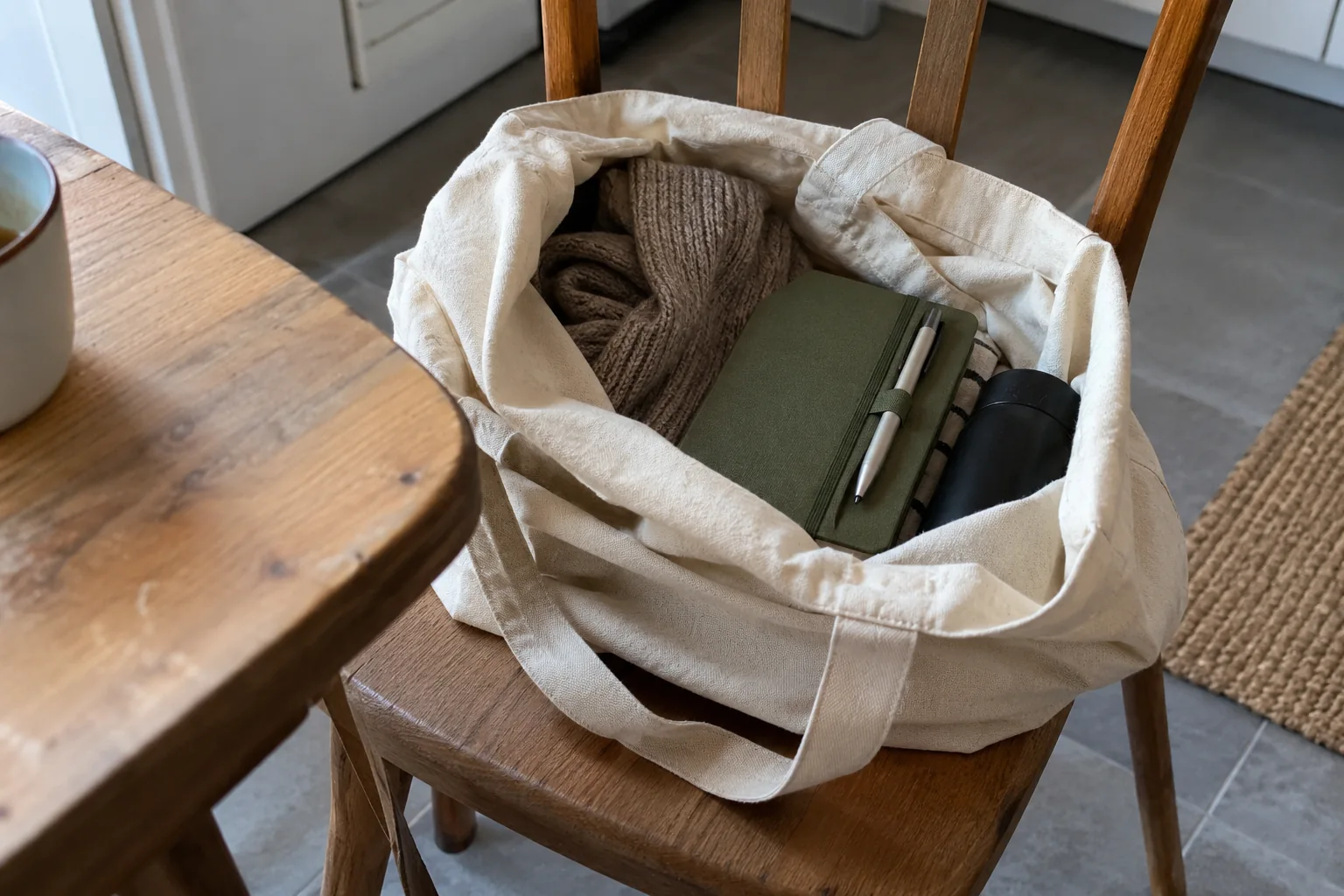
Put the journal somewhere you can easily find it, while respecting your need for privacy. Visible doesn’t mean open in the middle of a shared space. A pouch in your bag, a personal shelf, or an accessible drawer might work. If you write on a shared device, check the privacy settings of the platform you use before adding personal details. Writing feels more comfortable when you can leave the page behind with peace of mind.
After returning a few times, look at what actually works for you: brief notes, dated pages, drawings, questions, or free-form writing. You can mix formats. The journaling prompts are a backup when you’re short on a starting point, not a program you have to finish. For today, the simplest thing is to open a page, write the date, and let a sentence come to you. Then you can close the journal without deciding what comes next.
Frequently asked questions
Should I leave blank pages for the time I missed?
Only if you like that layout. You can also continue right after your last entry using today’s date. The physical space in your journal doesn’t need to represent exactly how much time passed between writing sessions.
Is it better to start a new journal?
It depends on what feels comfortable and appealing to you. A new journal can mark a fresh chapter, but your old one is still perfectly usable. Choose based on how you’ll actually use it: size, paper, privacy, portability. Taking a break doesn’t make the remaining pages any less available to you.
What if I stop again?
You can pick it up again, or decide that this format doesn’t work for you right now. Notice the circumstances instead of judging yourself as a whole. Your journal is a tool you can use, not an obligation that measures your commitment or your worth.