
Contents
We’re often told we need to “love ourselves.” But what does that actually mean? Thinking you look beautiful every morning? Never having doubts? For many people, the message rings hollow, or even feels guilt-inducing: on top of everything else, we’re made to feel that we don’t love ourselves enough.
Self-love, as you can practice it every day, is much simpler and more accessible. It’s not about thinking you’re perfect, but about treating yourself with kindness, especially in difficult moments. Psychologists call this self-compassion, a concept studied in particular by researcher Kristin Neff. Here’s what it involves, along with ten practical exercises to cultivate it.
Self-love and self-compassion
Self-esteem often rests on achievement and comparison: we value ourselves when we do better than others. That makes it fragile, and it can crumble at the first difficulty. Self-compassion, on the other hand, doesn’t depend on results. It means telling yourself, when things are hard: “This is difficult, it’s human, and I’m going to take care of myself.”
Kristin Neff describes it as having three parts: kindness toward yourself rather than harsh judgment, shared humanity (recognizing that everyone suffers and makes mistakes) rather than isolation, and mindfulness (welcoming your emotions without denying them or getting lost in them). Accepting your limits doesn’t stop you from putting the labels you give yourself into perspective. Respecting yourself is still compatible with offering a specific apology. If big compliments feel exaggerated, you can recognize one way you’ve supported yourself.

Where are you now?
Self-assessment
Your relationship with yourself
For each sentence, choose one answer: the one closest to what you’ve experienced over the past few weeks.
When I make a mistake, I speak harshly to myself.
I have a hard time saying no, even when I’m exhausted.
I put other people’s needs ahead of my own almost all the time.
I have a hard time accepting compliments.
I often compare myself to others and come up short.
I feel guilty when I take time for myself.
Your result appears once you’ve answered every sentence.
How to read your score (out of 18)
- 0–5 · A fairly gentle relationship You already treat yourself with some kindness. These exercises can help you nurture it.
- 6–11 · A demanding relationship You’re often hard on yourself. Choose two or three exercises and practice them every day.
- 12–18 · A very harsh relationship Your inner voice is very critical. These exercises may help, and talking with a professional may also be very helpful.
Ten self-love exercises
Flip cards
Turn over each card
1. The letter to a friendFlip
Write yourself a letter about a current challenge, as if you were writing to your best friend who was going through the same thing.
2. The comforting gestureFlip
Place one hand over your heart, breathe slowly, and tell yourself: “This is a difficult moment. I’m taking care of myself.”
3. Reframing the criticismFlip
When your inner voice says, “You’re useless,” reframe it: “I made a mistake, and I can learn from it.”
4. The list of winsFlip
Every evening, write down one thing you did well, no matter how small.
5. The kind noFlip
This week, say no once to a request that drains you, without giving a long explanation.
6. A date with yourselfFlip
Block off an hour in your calendar for an activity that makes you feel good, and keep it like an important appointment.
7. The gentle mirrorFlip
Every morning, find one thing you appreciate about yourself, physical or otherwise.
8. Thanking your bodyFlip
Thank your body for what it lets you do: walk, hug someone, laugh.
9. The needs check-inFlip
Several times a day, ask yourself: “What do I need right now?” Water, a break, fresh air, connection.
10. ForgivenessFlip
Choose a past mistake you still blame yourself for, and write down what you would say to a friend who had made it.
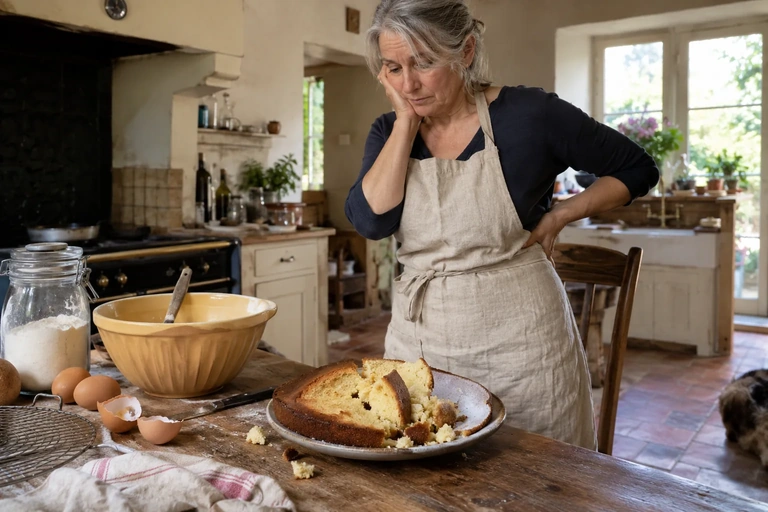 Read alsoAfter a mistake: finding a helpful inner dialogue
Start with three exercises
You don’t have to do everything at once. Choose three exercises that resonate with you and practice them for two weeks. Self-love grows through repeating small gestures, not through a sudden revelation. Write down your small wins every evening in a journal to keep track.
Checklist
My three exercises for the week
0 / 5
Well done. These small, repeated gestures gradually change the way you talk to and treat yourself.
Affirmations that offer support
Affirmations can complement these exercises, as long as they feel believable. Instead of “I love myself completely,” which may sound false, try “I’m learning to be kinder to myself.” Our collection of affirmations for self-confidence offers many. The four phrases of ho’oponopono, directed at yourself, are a very gentle variation.
Quiz
Misconceptions about self-love
Self-love is selfish.
See the answer
False. Taking care of yourself often makes you more available and more patient with others. Selfishness, on the other hand, ignores other people’s needs.
You have to think you’re perfect to love yourself.
See the answer
False. Self-compassion doesn’t depend on perfection: it’s something you practice precisely in moments of imperfection.
Being hard on yourself helps you make progress.
See the answer
False. Research on self-compassion suggests it encourages perseverance more than harsh self-criticism does.
Go further
Self-love is related to confidence, but they’re not the same thing: our self-confidence exercises focus more on action and affirmation. And if a highly critical inner voice has been with you for a long time, our article on limiting beliefs can help you understand where it comes from.
Frequently asked questions
How can you learn to love yourself when you don’t love yourself at all?
Start with kindness, not love. Treat yourself the way you’d treat someone you care about, even if you don’t feel any warmth yet. The feeling often follows the actions.
How long does it take to feel a change?
Some people feel calmer within the first few days. A deeper change in your inner voice often takes several months of practice.
Can self-love help with anxiety?
Yes, self-compassion is associated with better emotional well-being. But significant anxiety also calls for professional support.
Sources
- Neff K. D. (2003). Self-compassion: an alternative conceptualization of a healthy attitude toward oneself. Self and Identity, 2(2), 85-101.
- Breines J. G., Chen S. (2012). Self-compassion increases self-improvement motivation. Personality and Social Psychology Bulletin, 38(9), 1133-1143.