Contents
A list poem gathers details whose order, sounds, or contrasts create an effect. Start with things you can observe, keep a concrete detail, and try a final line that changes how the list reads. Rhyme is optional. A few lines can do more than simply name a collection.
What can you use to start a list poem?
Choose a category concrete enough to reveal differences: things waiting by a door, traces of a meal, or objects in a pocket. The relationships between details matter more than whether each word sounds “poetic.”
Original example: “The cold key / the folded ticket / the crumb in the seam / what I bring home without choosing it.” The last line changes the scale of the scene. You might prefer an open ending, an image, or a return to the first object. Not every list poem needs a punch line.

How can you choose the order and repetition?
Move a line and notice what the next one receives: expectation, contrast, continuity, or surprise. Repetition can connect the list; remove it only when it no longer serves a purpose.
| Experiment | Revision question |
|---|---|
| Small details before larger ones | Does the change become noticeable? |
| A repeated opening | Does the return create rhythm? |
| An unexpected final detail | Does it change the meaning or feel attached? |
The workshop by Ludovic Flamant uses a list and an ending as a constraint. That is not an exhaustive definition of poetry. Our workshop below helps you compare order without writing the poem for you.
Compare two line orders
Your text stays on this page and is not saved. Copy any result you want to keep.
On paper, use the table fields and check your result against the explained examples.
How can you revise without hunting for fancier words?
Read once for meaning and once for returning sounds. Keep an accurate detail rather than a decorative adjective. Reading your draft aloud helps you hear those effects; it requires neither a recording nor a performance.
For another constraint, explore constrained creative writing or an observational haiku. Before using another work as a reference, see drawing inspiration without copying. Our example is invented and does not reuse lines from another poem.

An object list may begin in a journal of five personal objects ; invent another scene when moving into fiction. A metaphor notebook helps test a connection, while choosing a title shapes the reader’s expectations.
Keep this draft among your journaling and personal writing practiceswithout imposing a lesson or intention on every list.
Quiz
Check your understanding
Must a list poem rhyme?
See the answer
Rhyme is a choice. Rhythm can also come from syntax, sound, and repetition.
What does the ordering workshop do?
See the answer
It shows another arrangement of my lines. Comparison does not automatically identify a best version.
 Read alsoScripting: Write your dream life to clarify what you want
Flip cards
Three distinctions to revisit
DetailFlip
Something observable, rather than a prestigious adjective.
ReturnFlip
A repetition that connects lines.
EndingFlip
A choice about rhythm or perspective.
Checklist
Before keeping this draft
0 / 3
The boxes record your actions; they do not grade your writing.
This resource offers a complementary approach to the topic. Adapt the choices to your own notebook or writing project.
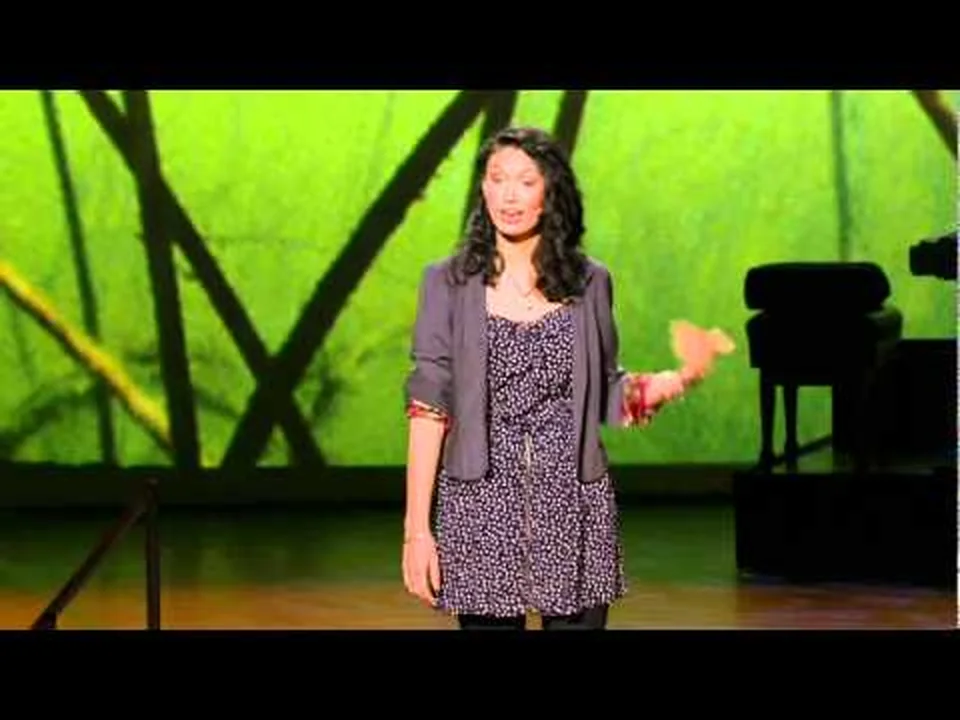
For a complementary perspective, watch this video from TED. Sarah Kay discusses starting poems from lists and personal details. The exercise here uses its own examples; no poem lines are reproduced.
Must each list line be a complete sentence?
A line can contain a group of words or a sentence; a line break does not determine syntax by itself. Before moving elements, look at what you are moving. A sentence fragment may depend on the next fragment, while a noun with its detail can move differently. This check prevents you from attributing an effect to order when it mainly comes from a sentence being split.
An original draft example: “The chipped bowl / waits beside the cloth / the spoon is missing.” The first and second segments form a clause together; the third starts another unit. Moving them may create a grammatical break rather than a simple surprise. You can choose that break, but identify it before keeping it.
| Element moved | What still needs checking |
|---|---|
| A noun with its detail | Its relationship to the other objects |
| A complete sentence | Its connection to the next sentence |
| A sentence fragment | The words it depends on |
The OQLF describes words returning at the start of unitswithout reducing those units to separate lines. To try a shared opening, our notebook anaphora exercise compares beginnings. A formal check still cannot decide whether a move serves your poem.
FAQ
How many lines do I need?
No number is imposed here. Keep enough details to hear a connection and compare an ending.
Can I write a list without rhyme?
Rhyme is optional. Rhythm can come from repetition, sounds, line lengths, and breaks.
Must the ending be funny?
Choose a surprise, return, silence, or image. The effect depends on your intention.
Is repetition a mistake?
It can provide structure and rhythm. Examine its purpose rather than deleting every repeated word.
Does the tool write the poem for me?
It rearranges your lines for comparison. It does not invent lines or measure literary quality.
Can I start from a published poem?
Study a technique and invent your own lines. Sharing reused text requires a separate examination of rights.