Contents
A music ritual means choosing a few tracks to accompany a specific moment: starting an activity, coming home, or revisiting a memory. The selection can stay very short and change with what you feel like, without claiming to create a guaranteed emotion.
You don’t need a perfect playlist or a theory about frequencies. Start with your own experience: what do you feel like listening to, in what setting, and at what comfortable volume? Silence is always an option.
Music ritual: choose a practical purpose
A soundtrack can mark an entrance, accompany an activity, or give it an ending. These uses call for different choices. A track you enjoy listening to closely may distract you while you write; quiet music may suit a hands-on task without making you want to focus on the music alone.
The evening ritual provides one possible context, but music isn’t essential for it. You can put together a selection for another moment: preparing a meal, drawing, or coming back from an outing. Don’t expect a playlist to make every situation enjoyable. It accompanies you; it doesn’t decide how you feel.
| Use | Possible choice | Consideration |
|---|---|---|
| Entry | An opening track | Don’t delay the activity |
| Accompaniment | A short selection | Pay attention to the context |
| Memory | A track associated with a scene | No obligation to listen again |
Personal listening and therapeutic promises
This article doesn’t present music as a treatment. A personal preference, a music therapy session, and a commercial claim about a frequency are not equivalent. You can enjoy a track without concluding that it heals a difficulty or changes your brain in a specific way.
The World Health Organization mainly highlights the importance of limiting the intensity and duration of sound exposure. You don’t need high volume to enjoy listening. Use the available tracking or volume-limiting features and take breaks. If you have ongoing hearing discomfort, seek professional advice instead of looking for another kind of sound.
Quiz
Check your understanding
Is a calm playlist right for everyone?
See the answer
No, the response is personal. Pay attention to your experience rather than the name of the selection.
Should you turn up the volume to feel more?
See the answer
No, protect your hearing. Intensity and duration of exposure matter.
Create your music ritual in four choices
Define the moment the music will accompany
Choose a recognizable scene: the first few minutes of drawing, putting away your supplies, or preparing a meal. “Feel better” is a very broad request; “listen to a song on the way home” is a concrete option. The if-then plan can help you put this cue into words without turning it into an obligation.
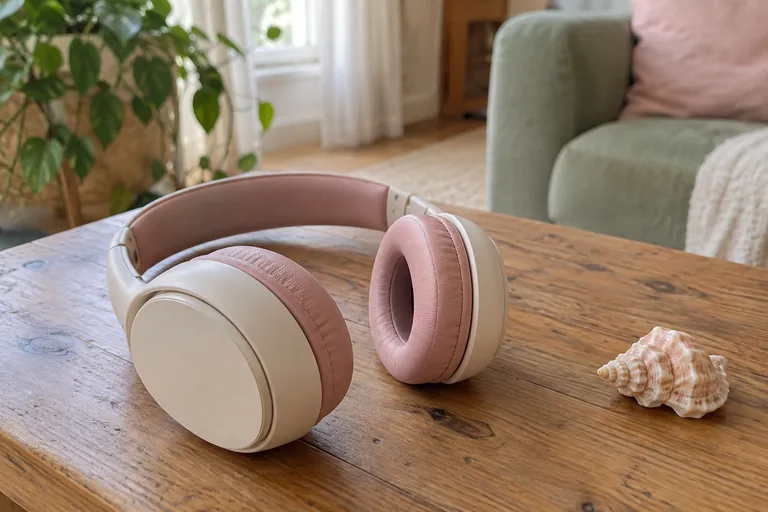
Also consider the constraints. Are you alone? Do you need to hear a conversation, an alert, or what’s happening around you? Whether you choose headphones, a speaker, or silence depends on the context. The soundtrack shouldn’t limit the attention you need for your safety or others’ safety.
Start with a few songs
Choose two or three songs you already know, without trying to find the definitive playlist right away. Try changing their order: an opening song, one to accompany you, and perhaps a closing song. This structure is a practical suggestion, not a scientifically established formula. You can also stick to one song if that suits the moment.
The idea notebook can hold the songs you want to try later. This helps you avoid endlessly searching before starting the activity. The selection should take less effort than the activity it accompanies. A creative session doesn’t need to be preceded by an hour of sorting through music.
Notice how it actually affects you, rather than relying on the label
A song described as relaxing may bore you or remind you of a difficult time. An energetic song may suit you for one task but not another. Notice your response without trying to correct it. Labels such as “calm,” “focus,” or “motivation” are marketing or editorial cues, not individual guarantees.
You can write down an observation in a one-sentence journal : “This song made me want to listen instead of write.” That information can help you make a different choice. It doesn’t mean the music is bad or that you’re unable to concentrate.
Leave room to stop
You can stop the song before it ends if you no longer want to hear it. You can also leave some quiet time after listening. A playlist doesn’t have to fill every space automatically. Keep the option of switching formats or not playing anything on some days.
For a creative activity, a solo date can include listening closely at first, followed by some time without music. You can compare these two approaches without looking for a definitive rule. The right arrangement may depend on the project and the stage of your work.
Flip cards
Choose a starting point
MomentFlip
Define the specific scene the music will accompany.
SelectionFlip
Start with a few tracks you already know.
FreedomFlip
Keep the option to turn it off or choose silence.
 Read alsoNew moon ritual: set your intentions for the month
A playlist of memories without getting stuck in them
Some songs are associated with places or people. If you want to explore that connection, write down the scene that comes to mind, then separate the memory from what you still know for certain. The guide to writing about a specific memory helps you keep the details without filling in the blanks with assumptions.
You don’t have to listen again to a song that upsets you in order to “work through” something alone. You can remove it, save it for later, or choose music without any particular associations. A personal ritual should remain a choice. If painful memories become overwhelming, seek appropriate support rather than intensifying the exercise.

Sharing music with others
A shared soundtrack calls for agreement on timing and volume. In a shared home, musical preferences don’t give anyone a permanent right to set the mood. Ask whether listening works for everyone and accept a different answer. The guide to setting a boundary can also help you ask for quiet without criticizing someone else’s taste.
If you share a selection, you can explain why a track matters to you without reproducing its lyrics. The memorable conversations can grow out of these exchanges, but no one has to share an intimate memory to take part. A playlist can stay light and include only songs people feel like listening to.
Generator
A wording to adapt
Define the specific scene the music will accompany.
See all the phrases
Starting point
- Define the specific scene the music will accompany.
- Start with a few tracks you already know.
Adapt
- Keep the option to turn it off or choose silence.
- I can keep what works for me and remove the rest.
An example to accompany meal preparation
In a fictional scenario, Clara chooses three tracks she already knows. She listens at a moderate volume while doing a simple task, then turns the music off when she moves on to something that requires more attention. She doesn’t try to keep the mood going at all costs. The music serves this particular moment and can give way to silence.
She then notes an association in her recipe and memory journal : this meal, this evening, these tracks. The page doesn’t claim to explain how music affects everyone. It simply saves a combination she enjoyed and can revisit if she feels like it.
Keeping a selection fresh
After listening a few times, remove the tracks you always skip. Add a song only if it adds something to the purpose you chose. The little pleasures journal can help you notice what works for you without turning your preferences into an optimization project.
You can keep several short playlists or no saved list at all. A musical tradition can also mean freely choosing a song when the moment comes. What makes it personal is the meaning you give it and the freedom to change it, not its length or perfect repetition.
Checklist
Keep only what works for you
0 / 4
You’ve set your reference points. You can adapt or stop this practice.
Personal workshop
Prepare your version: music ritual
Answer the three prompts below, or use them aloud. This workshop works without JavaScript. This workshop does not offer a save feature. Copy anything you want to keep into your journal, and avoid entering sensitive information on a shared device.
How do you finish this workshop?
Review your answers and keep only a next step that seems doable to you. You can also decide not to pursue anything today. This decision creates neither a score nor a commitment.
For a complementary perspective, watch this video from TEDx Talks.
Frequently asked questions
How do you create a personal playlist?
Choose a specific moment, then pick a few tracks. Try them in order before adding more.
How many songs do you need?
There’s no required number. One track can be enough for a brief ritual.
Does the music have to be relaxing?
No. Your choice depends on what you feel like listening to and what you’re doing, not on any universal category.
Can you use a song associated with a memory?
Yes, if you’d like. You can also avoid a title that upsets you or no longer feels right.
What volume should you choose?
Keep the volume moderate and use the available protection features. Also limit how long you listen.
Is this music therapy?
No. A personal playlist isn’t therapy and doesn’t replace appropriate support.
Sources
- World Health Organization. Deafness and hearing loss: Safe listening. Institutional recommendations for safer listening.