Contents
- Choose recipes that have a meaningful place in your life
- Write a practical recipe card separate from the story
- Note the techniques that a list of steps can’t show
- Keep track of adaptations
- Add the memory without making it up
- Organize a notebook that’s truly useful in the kitchen
- Prepare to pass it on to someone else
- Frequently asked questions
A personal recipe notebook can bring together three different things: the recipe you used, the adaptations you actually tried, and the memory of the moment. Keep these parts separate so you can cook the dish again without confusing a verified quantity with an idea to try. You can start with three dishes you already make instead of immediately copying every recipe that catches your eye. To connect a moment with a few selected titles, you can compose a personal soundtrack for a chosen moment. When you want to create a gathering with friends or family who are willing to join, you can create a small personal tradition.
This notebook doesn’t need to be a complete cookbook. It can preserve techniques that are hard to pass along in other ways: how to fold dough, the order of preparation, the dish or pan you use, or a detail in the presentation. Memories can go alongside these notes without making practical information harder to find.
Choose recipes that have a meaningful place in your life
Start with the dishes you make again or would like to be able to make again. A spectacular recipe you’ve never prepared can stay on a list of ideas to try. Separating tested recipes from possibilities helps you avoid treating a beautiful photo as a method you’ve already validated in your kitchen.
For each recipe, note its source: a book, website, person, or your own creation. If someone shares a recipe with you, ask what they’d like to share and what usually varies. A family recipe may have several versions; your notebook can preserve that variety instead of deciding too quickly that one version is definitive.
Give the page a title that’s easy to find. “September apple cake” may be more useful than “the best cake.” Add an index with a few categories suited to how you use it: quick meals, dishes to share, weekend cooking. Categories should help you choose, not recreate the entire structure of a professional cookbook.
Write a practical recipe card separate from the story
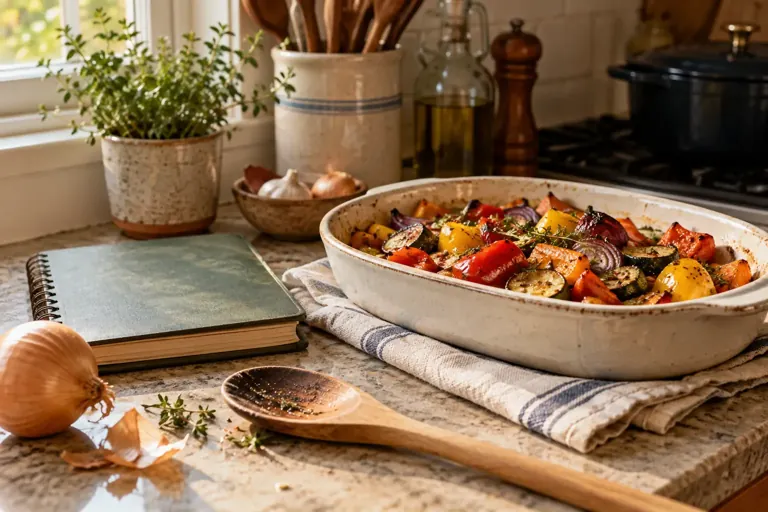
Note the ingredients, the quantities you used, the number of servings you observed, and any important equipment. Specify the size of the pan or dish when it affects the result. If a quantity was approximate, say so. You can refine it on your next try instead of presenting an estimate as an exact measurement.
Describe the steps in the order you do them. Some actions can happen in parallel; others depend on preparation beforehand. A sentence like “prepare the dish before starting the dough” can prevent hesitation. The notebook should stay easy to read with your hands busy, without having to scan a long memory to find the next step. Textures and cooking techniques can inspire a notebook of metaphors, distinguishing personal imagery from a description of the memory.
Keep food safety guidance from reliable sources, and don’t replace it with an uncertain family habit. A story about a memory doesn’t validate a preservation method or a substitution. If you’re cooking for other people, check dietary restrictions with them directly and keep any necessary information in an appropriate place.
Note the techniques that a list of steps can’t show
A sketch or personal photo can make a technique easier to understand. You can draw the shape of a fold, how full a container should be, or the order of items on the work surface. Add a caption that says what you want to observe. The drawing doesn’t need to be decorative.
When someone shows you how to prepare something, ask specific questions: when do they switch utensils, what do they look at before moving to the next step, which part do they prepare first? Write down their answers with their consent. Don’t ask them for a level of precision they don’t actually use; you can note that the technique remains approximate.
The learning journal can help you follow a new technique. After trying it, describe what happened and what you’d like to clarify. You don’t need to judge the whole recipe based on a single step that went well or was difficult.
Flip cards
Adding to a recipe passed down to you
The equipmentFlip
Which container or tool concretely changes the preparation?
The orderFlip
Which step needs to be prepared before you begin the rest?
The techniqueFlip
Which movement deserves a photo, drawing, or demonstration?
The variationFlip
What has actually been tried, and what is still just an idea?
 Read alsoScripting: Write your dream life to clarify what you want
Keep track of adaptations
Date your attempts and change a limited number of things at a time if you want to compare them. Replacing several ingredients, changing the container, and changing the preparation time makes it difficult to interpret the result. Note what you actually did, even if it differs from what you originally intended.
You can use three labels: original version, tested adaptation, next question. A substitution that works in one preparation doesn’t automatically work in all the others. The notebook records a specific experiment, along with its equipment and conditions.
Describe the result with precise words: firmer texture, easier to cut, too much preparation for the dish. “A failure” or “perfect” can remain reactions, but they don’t say what you want to change. A concrete observation makes the page useful for your next attempt, even when you don’t like the result.
Add the memory without making it up
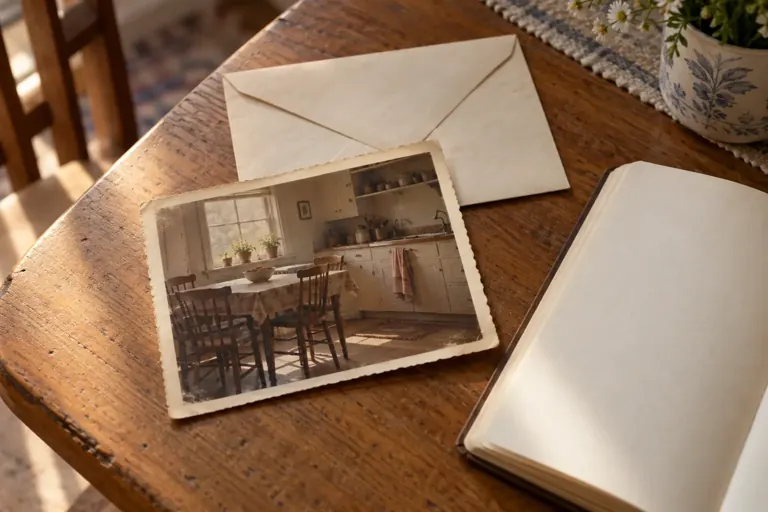
The memory can go in a separate box: where the dish was made, what the occasion was, and what gesture or conversation stays with you. Choose one scene rather than a whole family history. A rearranged table, a mismatched plate, or a dish made together can be enough.
If you no longer remember the details, leave them open. “I mostly remember the smell in the entryway” is a personal trace. You don’t need to add a date or exact words to make the page feel more complete. The guide to writing about a specific memory helps you tell apart what comes back clearly from what remains uncertain. For a fictional detour that’s clearly separate from the memory, try tell the story from a kitchen object’s point of view.
Avoid presenting a recipe as the summary of a person or a culture. You can write that it’s part of your family experience, with its variations and influences. That detail leaves room for other versions and for those who make it differently.
Organize a notebook that’s truly useful in the kitchen
Keep the pages you use regularly separate from your research in progress. A tab, an index, or a working copy may be enough. If you care about the original notebook, keep it away from splashes and use a separate sheet while you cook. You can transfer the changes afterward, when the page is easier to read.
For a digital notebook, give files stable names and keep an accessible copy. Check that images stay together with their captions. A folder containing only photos of untitled pages can become hard to browse, especially when several versions of the same recipe look alike.
Plan a quick review after you’ve made a few dishes. Which recipes do you make again? Which steps are still unclear? Which ideas no longer interest you? Untested ideas can go in your idea notebookwhile your recipe notebook keeps the versions you actually want to use. A spoon or an old dish can go in an journal of objectsA recipe discovered elsewhere can go in a travel reflection journal, separating the memory from what you’d like to try at home. A recipe and its story can become a page in a memory book for someone close to youwith details that will be useful to the recipient.
Prepare to pass it on to someone else
If you give someone a copy, have someone who doesn’t know your habits try the recipe, when possible. Phrases like “as usual” or “the big dish” quickly become confusing outside your kitchen. Replace them with concrete details or explain what still needs adjusting.
Also keep track of where the recipe came from and who contributed to it. Ask for their consent before sharing memories or private details. A keepsake can remain a family or friendship document without being shared online. That way, the notebook preserves a way of doing things as well as a chosen connection with the people who will receive it.
Frequently asked questions
Do I need to rewrite every recipe neatly?
No. Start with the ones you use, and adjust the steps as you try them. A clear, precise recipe card is better than a heavily decorated one that’s hard to cook from.
Can I keep several versions?
Yes. Date them and note the differences. You can choose one for the occasion without erasing the history of your adaptations.
Should I add photos?
Only when they add information or preserve a memory. A photo of one step may be more useful than a picture of the finished dish, depending on the technique you want to pass along.