Contents
A garden journal can start with a date, a location, and something you actually did. You do not need a beautiful binder or a full vegetable garden: a few plants are enough. This method helps you find your notes, separate plans from observations, and return after a break, with an example you can adapt to your own space.
What belongs on the first page?
Give your space a simple name: balcony, indoor windowsill, or garden corner. Sketch a rough map and assign stable labels to pots or areas. “Pot A beside the door” is easier to find than “the little plant,” especially when several plants look similar. When you move a pot, record the change instead of silently reusing its old location label.
Leave a few lines for known names, saved plant labels, and open questions. If you do not know a variety, write “unidentified” rather than presenting a likely name as certain. A dated photograph can support the description. A nature journal is better suited to chance encounters; this notebook mainly records actions in your own growing space.
A notebook you already own works well. Reserve two pages for a paper notebook index and number the pages you use. Add sections later instead of trying to predict everything you will need today.
Flip cards
Three different kinds of information
PlannedFlip
An idea or possible task; it has not happened yet.
DoneFlip
A dated action, described without adding an assumed result.
ObservedFlip
What you saw, including useful limits or uncertainties.
Write a short entry you can understand later
Start each entry with the full date and location label. Then record what you did, what you notice, and any possible follow-up. The aim is to understand the note weeks later, not to produce an exhaustive report. If someone gives you advice, distinguish that advice from something you verified yourself.
This fictional layout example is not growing advice. The date, plant, and actions only demonstrate how to write an entry. They are neither a planting calendar nor a watering schedule.
| Field | Fictional example |
|---|---|
| Date and location | November 12, pot A, indoor windowsill |
| Done | Original plant label placed in the pocket |
| Observed | Two pale leaves; date of appearance unknown |
| Question | Find the exact name on the label |
| Follow-up | Consult information suited to this plant |
“Two pale leaves” is an observation, not a diagnosis. Do not infer a definite cause from a color or photograph. For growing decisions, use horticultural information appropriate to the species and your conditions, or ask a qualified local professional.
Quiz
Read an entry without inventing details
What does “water tomorrow” describe?
See the answer
A planned action. A possible task is different from a completed action.
What does a week without notes mean?
See the answer
The period is undocumented. Missing writing does not prove that nothing changed.
Can two pale leaves establish a diagnosis?
See the answer
No, one observation is insufficient. Keep the description and seek appropriate advice before concluding.
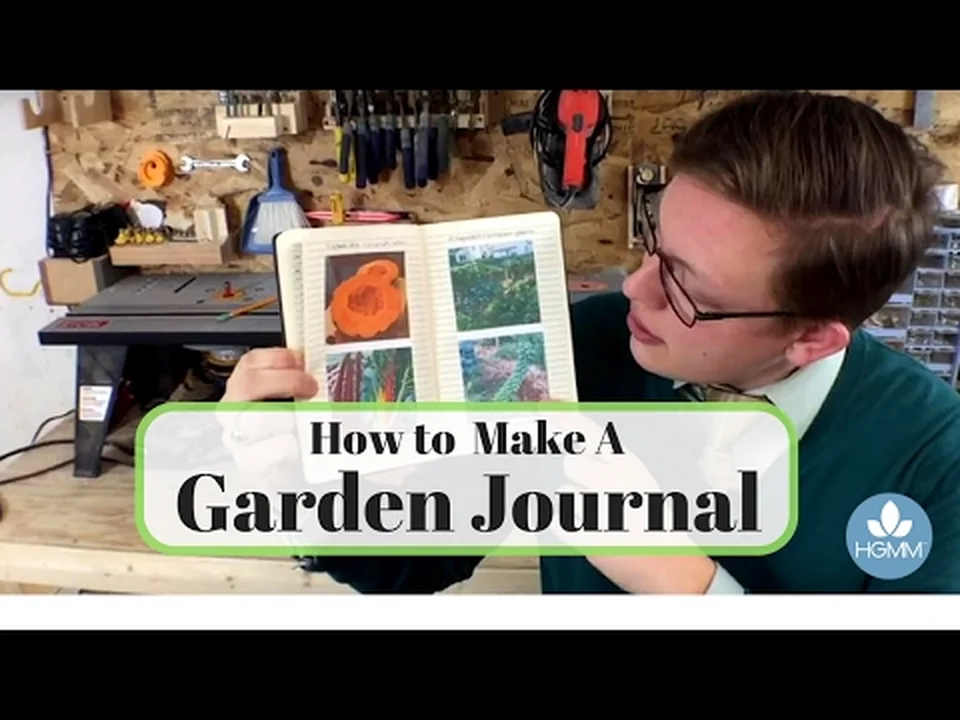
A gardener shows a personal notebook setup. The growing practices shown depend on the plants and local conditions.
For a complementary perspective, watch this video from Home & Garden for Mere Mortals. A gardener shows goals, entries, photographs, and afterthoughts. This is a personal notebook example, not therapy or a universal growing plan.
 Read alsoScripting: Write your dream life to clarify what you want
Organize information without filling ten spreadsheets
Keep entries in date order, then add the pages for each pot or area to your index. An entry called “balcony, pot A” may point to several nonconsecutive pages. If you prefer one page per plant, date each new line: a plant page should not erase changes in context.
Separate decorative ideas from completed actions. A layout sketch belongs in a creative project notebook, even if you keep it in the same book. A color combination might go in a color palette notebook. These cross-references prevent a visual idea from looking like a decision already carried out.
For photographs, include the pot label and date in the caption or filename. Keep the original file when cropping an image. Drawing offers another kind of record: you can draw without drawing skills and simply state what you intended to show. None of these formats requires you to publish your notes.
Flip cards
Three ways to review
RetrieveFlip
Use the index to find entries with the same location label.
CompareFlip
Check dates and conditions before comparing two entries.
PrepareFlip
Turn an open question into a specific research task, not a certainty.
Return after time away
Write the date you return and mark the undocumented period. Do not invent a watering because it was planned, or reconstruct a flowering date from memory as though you recorded it at the time. You can add an “approximate memory” in a separate section. Date corrections too: they improve the record without making the first version disappear.
When the season changes, compare local situations rather than calendar months alone. A seasonal journal helps you notice changes in daily life. A calendar from another country or climate does not automatically tell you what to plant at home. Your notebook preserves context; it does not generate horticultural recommendations by itself.
Choose a flexible rhythm. Write after a notable action or when a question arises, without promising a daily page. Store additional ideas in an ideas notebook , and keep repeated observations of one tree in a tree journal. In Miraya, Small Steps helps you frame an intention and a concrete action; it is not a plant diagnosis tool. Paper alone remains a complete option. Check the App Store or on Google Play for current features.
Checklist
Before closing the notebook
0 / 4
This list checks the clarity of notes, not plant health.
FAQ
Do I need a special journal?
No. An existing notebook with numbered pages and an index is enough to try this approach.
Is a balcony enough?
Yes. You can start with a single plant by giving it a clear, stable label.
How do I record an unknown plant?
Write unidentified and keep the information available. Do not present a guess as a confirmed identification.
Must I write every day?
No. An entry after an action or observation may be enough. Simply mark undocumented periods.
Can I copy a calendar from another country?
Not as local growing instructions. Species, climate, and growing conditions require appropriate advice.
Can the journal diagnose a disease?
No. It preserves observations you can share with a qualified person; it does not establish a diagnosis or treatment.